




Introduction to Rice Pilaf
Rice pilaf is more than just a simple side dish; it’s a versatile culinary canvas that invites creativity and flavor. Traditionally made by sautéing rice in a bit of fat before simmering it in broth, rice pilaf can seamlessly adapt to various ingredients and seasonings. This adaptability makes it an excellent choice for young professionals who are keen on saving time without sacrificing taste.
Picture this: It’s Wednesday evening, you’ve wrapped up a long day at work, and the last thing you want to do is spend hours in the kitchen. Enter rice pilaf! With its quick cooking time and minimal effort, you can prepare a scrumptious meal that impresses roommates or simply satisfies your own cravings. Plus, it can be easily customized; toss in your favorite proteins, like chicken ham or turkey bacon, and load it with seasonal veggies for a wholesome dinner.
Why Young Professionals Love Rice Pilaf
For those navigating the bustling world of deadlines and meetings, rice pilaf is a lifesaver. Here are a few reasons why this dish deserves a prime spot in your weekly meal rotation:
-
Quick Cooking Time: Most rice pilaf recipes can be completed in 30–40 minutes, making it a great option for busy evenings.
-
Nutrient-Packed: When prepared with a variety of vegetables and lean proteins, rice pilaf can offer a balanced meal that fuels your energy levels throughout the day.
-
Cost-Effective: You can create a filling dish without breaking the bank—just grab a few pantry staples and some fresh ingredients. Check out budget-friendly tips and exciting variations in articles from The Kitchn or EatingWell.
-
Meal Prep Friendly: Rice pilaf tastes great reheated, making it an ideal dish for meal prepping your lunches or dinners for the week ahead.
By diving into the world of rice pilaf, you not only embrace a dish with rich cultural roots but also discover a solution that suits the dynamic lifestyle of young professionals. Whether you’re seeking comfort food or a creative expression in your cooking, rice pilaf offers endless possibilities. Now, let’s delve into the delightful recipe that will elevate your weeknight dinners!
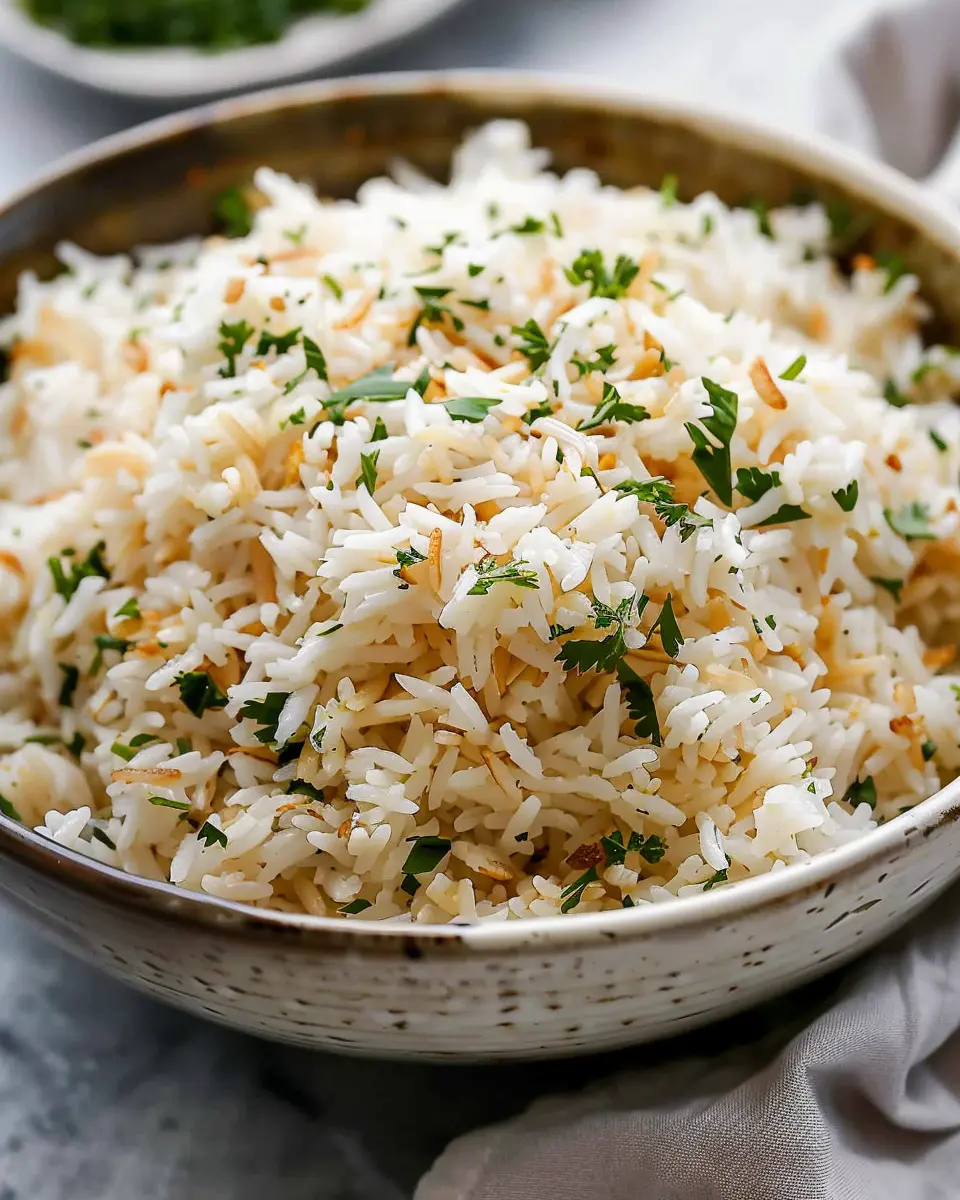
Ingredients for Rice Pilaf
Essential ingredients for a delicious rice pilaf
Creating a delightful rice pilaf starts with the right ingredients. It’s all about layering flavors and textures to elevate your dish. Here’s what you’ll need:
- Long-grain rice: Look for Basmati or Jasmine for that perfect fluffiness. They cook beautifully and absorb flavors well.
- Broth: Swap out plain water and use chicken or vegetable broth for a richer taste.
- Aromatics: Onions and garlic form the aromatic base. Sauté them until fragrant to kick off your dish.
- Turkey bacon or chicken ham: For those seeking a savory element without compromising health, turkey bacon or chicken ham is a fantastic choice.
- Vegetables: Peas, bell peppers, or carrots add vibrant colors and textures. Feel free to throw in whatever you like!
- Spices: A pinch of cumin, coriander, or a bay leaf can elevate the flavor significantly.
Let’s not forget, the right balance of these ingredients not only brings depth but also makes your rice pilaf stand out. You can find more tips on selecting quality rice here. With these essentials, you’re well on your way to preparing a hearty meal that will impress your friends or simply make your weeknight dinners much more enjoyable!
Preparing Rice Pilaf
When it comes to cooking rice pilaf, it’s all about building flavors and textures that will elevate your dish from simple to spectacular. This method is straightforward, and once you master it, you’ll find that rice pilaf can be your go-to side dish for almost any meal. Let’s walk through the process step by step.
Rinse the rice
Before you start cooking, it’s important to rinse your rice. This step helps remove excess starch, which can make your rice gummy rather than fluffy.
- Place your rice in a fine-mesh strainer.
- Rinse it under cold running water for about 2-3 minutes, or until the water runs clear.
- Drain the rice well and set it aside.
Rinsing your rice not only improves the texture but also helps to enhance the flavor of your final dish. For more tips on rinsing rice correctly, check out resources from culinary experts like The Kitchn.
Sauté the aromatics
Now comes the fun part: sautéing aromatics! This step lays the foundation for the flavor profile of your rice pilaf.
- In a medium pot, heat 2 tablespoons of olive oil or butter over medium heat.
- Add finely chopped onions (1 medium onion) and let them sweat until they turn translucent and fragrant, about 4-5 minutes.
- For an extra touch, consider adding minced garlic (2-3 cloves) and spices like cumin or bay leaves to complement the rice pilaf.
Sautéing not only releases essential oils and flavors but also creates a delightful base that enhances the overall taste. You can experiment with herbs such as thyme or rosemary for added depth.
Cook the rice
With your aromatics ready, it’s time to add the rinsed rice and cook it up!
- Stir in the rice, ensuring that it’s coated with the oil and combined with the aromatics.
- Toast the rice for 2-3 minutes. This process adds a lovely nuttiness to the dish.
- Pour in the broth of your choice – chicken broth works well, but vegetable broth is a great option if you’re looking for something lighter. Use about 1 ¾ cups of broth for every cup of rice.
Bring the mixture to a boil, then reduce the heat to low, cover the pot, and let it simmer for about 18-20 minutes. Avoid lifting the lid too often, as this will release steam and can affect the cooking time.
Let it rest
Once the rice has absorbed all the liquid, take it off the heat, and let it rest for about 5-10 minutes.
- Keep the pot covered during this time. This resting period allows the rice to settle and ensures the final product is fluffy and perfect for serving.
Resting is an often-overlooked step but plays a crucial role in achieving rice pilaf that is both light and airy.
Fluff and garnish
The moment of truth has arrived! After resting, it’s time to fluff your rice pilaf.
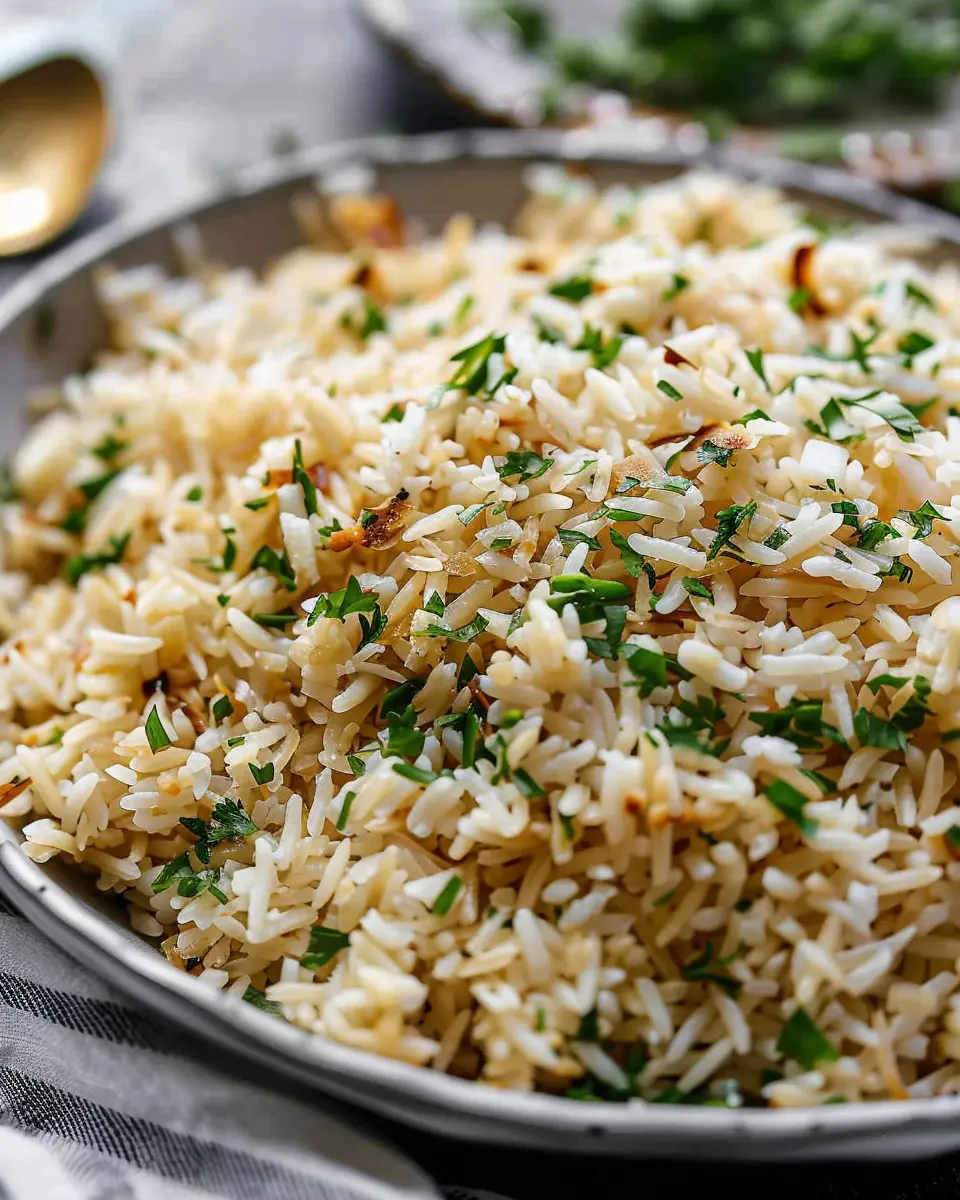
- Use a fork to gently fluff the rice, separating the grains.
- For a stunning finish, consider adding garnishes such as chopped parsley, toasted nuts, or even diced turkey bacon for an extra flavor dimension.
Your rice pilaf is now ready to complement any main dish, whether it’s a succulent roast or a plant-based delight.
Remember, cooking is all about experimenting and finding what resonates with your palate. Rice pilaf can be personalized in countless ways, from the spices you choose to the veggies you add. So roll up your sleeves and enjoy the delicious journey of making your own rice pilaf from scratch!
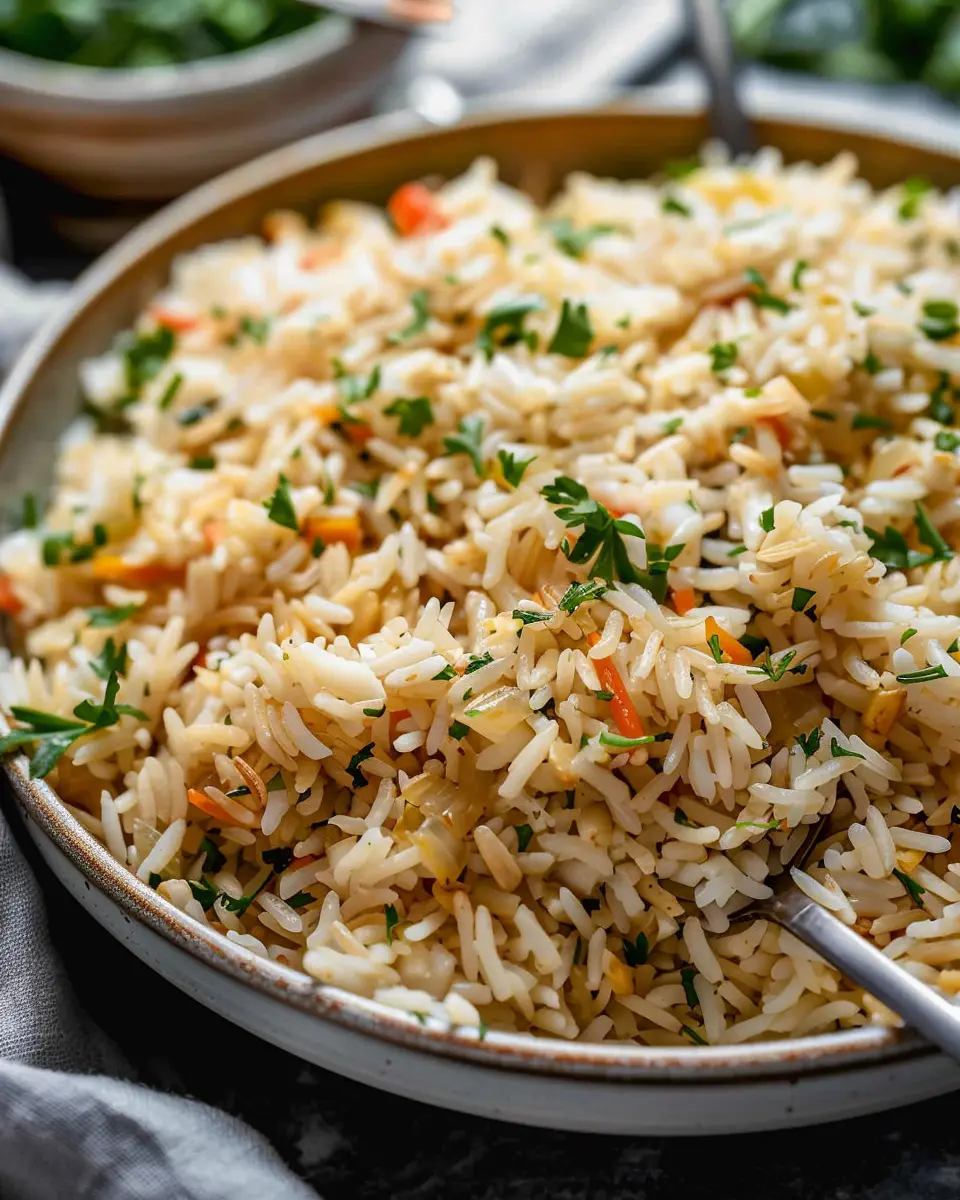
Variations of Rice Pilaf
Rice pilaf is a wonderfully versatile dish that can cater to a variety of tastes and preferences. Let’s explore some delicious variations that can spice up your dinner routine!
Mediterranean Rice Pilaf
Imagine savoring the flavors of the Mediterranean with every bite of your rice pilaf. This variation features ingredients like olive oil, fresh herbs, and a medley of vegetables such as sun-dried tomatoes, olives, and peppers. You can also add some feta cheese for an extra zing. Not only does it make for a vibrant dish, but the Mediterranean lifestyle is also linked to numerous health benefits, including heart health and longevity. Research suggests that a diet rich in fruits, vegetables, and whole grains may contribute to overall well-being.
Vegetable Rice Pilaf
For a wholesome, plant-based option, vegetable rice pilaf is a fantastic choice. Load this dish with an array of your favorite vegetables, such as zucchini, carrots, and peas, sautéed together to create a colorful feast. Toss in some herbs like parsley or cilantro for an aromatic lift. This version not only looks appealing, but it’s also nutritious, making it perfect for any meal prep!
Spiced Rice Pilaf with Nuts and Dried Fruits
If you’re in the mood for something a little more adventurous, try a spiced rice pilaf with nuts and dried fruits. Think almonds, cashews, and raisins blended with aromatic spices like cinnamon, cumin, and cardamom. This delectable combination adds delightful texture and flavor, transforming your rice pilaf into a memorable centerpiece for your dinner table.
Whether you’re hosting friends or enjoying a quiet night in, a variation of rice pilaf allows you to express your culinary creativity and cater to your guests’ preferences. For more tips on making the perfect rice pilaf, check out resources from Food & Wine or Serious Eats. Happy cooking!
Cooking Tips and Notes for Rice Pilaf
Common mistakes to avoid
When preparing rice pilaf, it’s easy to trip up on a few key elements. One common mistake is not rinsing your rice. Giving it a good rinse removes excess starch, preventing that sticky or clumpy texture you definitely want to avoid. Also, don’t skip toasting the rice in oil before adding broth. This step enhances the nutty flavor, adding depth to your dish.
Another pitfall is overcooking the rice. Keep an eye on the cooking time and allow a little resting period afterward. This helps firm it up, giving your pilaf that perfect, fluffy texture.
Using different types of broth
Experimenting with different types of broth can transform your rice pilaf from ordinary to extraordinary. While chicken broth is a classic choice, consider vegetable or beef broth for a delightful twist. Each type brings its unique flavors to the table, creating endless variations.
Curious about which broth to use? Check out this guide from Epicurious for some inspiration on pairing broths with ingredients. With these tips, you’ll be well on your way to creating a delicious, hearty rice pilaf that impresses.
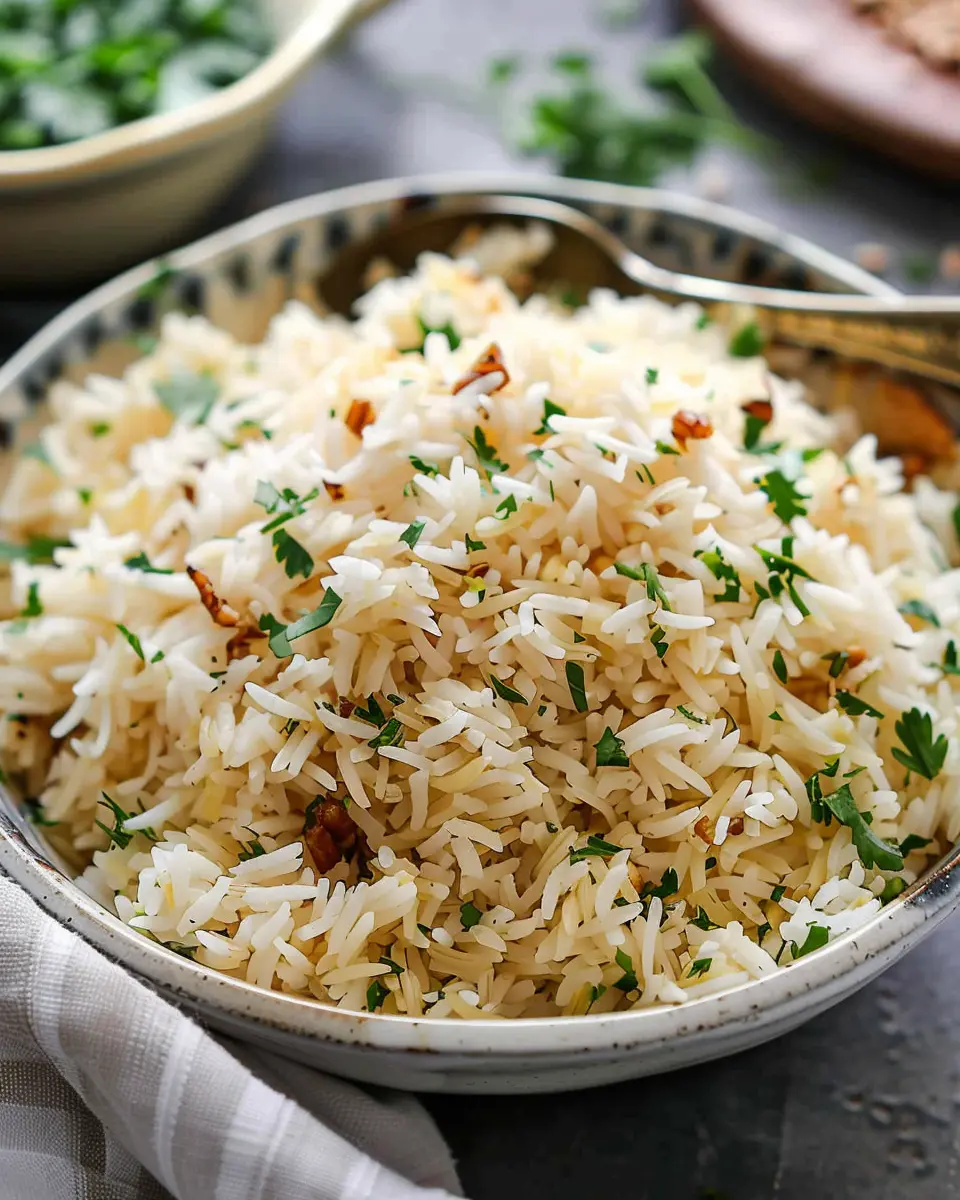
Serving Suggestions for Rice Pilaf
Pairing with Proteins
Rice pilaf is incredibly versatile and shines when paired with proteins. Think about serving it alongside grilled chicken breast, herb-crusted salmon, or even savory Turkey Bacon. The nutty flavor of the rice complements these dishes beautifully, creating a well-balanced meal. For those who love red meat, it goes splendidly with roasted Beef too. You can also elevate your pilaf experience by adding cooked shrimp for a touch of the sea. The possibilities are endless!
Using as a Base for Salads
Want to switch up your salad game? Try using rice pilaf as a hearty base! Mixing it with fresh greens, cherry tomatoes, and a light vinaigrette creates a delightful, filling dish. You can elevate it further with ingredients like feta cheese or avocado for a creamy texture. This not only adds variety but also packs in nutrition. It’s perfect for a lunch that fuels your day. Toss in some nuts for crunch, and you’ll never look at a salad the same way again. For more ideas on incorporating grains into salads, check out the resources available at Whole Grains Council. Happy cooking!
Time Breakdown for Rice Pilaf
Preparation Time
Getting started with your rice pilaf is easy! Set aside about 10 to 15 minutes for preparation. This time allows you to gather your ingredients, chop any veggies, and measure out your rice and broth. If you’re anything like me, this is the fun part! Having everything prepped makes the cooking process smoother.
Cooking Time
Once you’ve prepped your ingredients, the cooking time is around 20 to 25 minutes. During this time, you can multitask—perhaps enjoy a podcast or catch up on a show. The aroma of the rice pilaf will fill your kitchen, making the wait worthwhile!
Total Time
In total, you’re looking at about 30 to 40 minutes from start to finish for your delightful rice pilaf. This is perfect for a weeknight meal or a cozy weekend dish. If you want to delve deeper into perfecting your pilaf technique, consider checking out detailed guides from culinary experts. Enjoy!
Nutritional Facts for Rice Pilaf
When it comes to rice pilaf, understanding its nutritional profile can help you enjoy it as part of a balanced diet. Here’s a quick breakdown to keep you informed.
Calories
A serving of rice pilaf typically contains around 200-250 calories, making it a relatively light yet satisfying side dish.
Carbohydrates
Packed with flavor, rice pilaf contributes about 40-45 grams of carbohydrates per serving. This makes it an excellent source of energy, especially for active lifestyles.
Protein
While rice on its own is low in protein, when combined with nuts, vegetables, or your choice of Turkey Bacon or Chicken Ham, you can bump up the protein content to around 5-10 grams per serving, providing a more rounded nutritional benefit.
For more detailed nutritional analysis, you may want to check resources such as the USDA’s FoodData Central or the Nutrition.gov website. Remember, pairing your rice pilaf with a protein-rich entrée can make your meal both delicious and nourishing!
FAQs about Rice Pilaf
Can I make rice pilaf in advance?
Absolutely! One of the wonderful aspects of rice pilaf is its versatility. You can prepare it a day or even two in advance, making it a perfect dish for busy weeknights or gatherings. Simply cook your pilaf according to the recipe, let it cool, then store it in an airtight container in the fridge. When you’re ready to enjoy it, just reheat it on the stove with a splash of broth to bring it back to life. This method not only saves time but also allows the flavors to meld beautifully, delivering an even richer taste.
What can I add to enhance the flavor?
While rice pilaf is delicious on its own, there are numerous ways to elevate its flavor profile:
- Herbs: Fresh herbs like parsley, dill, or cilantro add a wonderful burst of freshness.
- Nuts and Fruits: Toasted almonds or pine nuts add crunch, while dried fruits like cranberries or apricots contribute a hint of sweetness.
- Spices: Don’t shy away from spices! Experiment with turmeric, cumin, or cardamom for an exciting twist.
With so many combinations, you can keep your pilaf fresh and interesting every time you make it.
What type of rice is best for pilaf?
For the best results, choose long-grain rice such as basmati or jasmine. These varieties are less sticky and maintain a perfect texture when cooked. They also absorb flavors beautifully, making your rice pilaf taste incredibly rich and fulfilling. If you’re curious about different rice types, resources like the Rice Association provide great insights.
Incorporating these tips will surely help you master the art of rice pilaf and impress your friends or family with your culinary skills!
Conclusion on Rice Pilaf
Rice Pilaf: A Must-Try for Homemade Meals
In the world of simple yet delightful dishes, rice pilaf stands out as a go-to option for home cooking. Its versatility means you can easily adapt it to suit any meal or occasion, whether it’s a cozy weeknight dinner or a festive gathering. Made with just a few wholesome ingredients, rice pilaf can elevate your meals while seamlessly complementing proteins like turkey bacon or chicken ham.
Moreover, preparing rice pilaf encourages culinary creativity—experiment with spices, vegetables, or broths to find a combination that excites your palate. So why not give it a try? Your taste buds will thank you, and you might just discover your new favorite side dish! For more culinary inspiration, check out this resource on cooking grains that dives into perfecting rice dishes.
PrintRice Pilaf with Turkey Bacon: A Savory and Easy Delight
Rice Pilaf is a delicious dish that is easy to make and pairs well with various proteins.
- Prep Time: 10 minutes
- Cook Time: 30 minutes
- Total Time: 40 minutes
- Yield: 4 servings
- Category: Side Dish
- Method: Stovetop
- Cuisine: American
- Diet: Gluten-Free
Ingredients
- 1 cup long-grain rice
- 2 cups chicken broth
- 4 slices turkey bacon
- 1 medium onion, diced
- 2 garlic cloves, minced
- 1 tablespoon olive oil
- 1 teaspoon salt
- 1/2 teaspoon black pepper
- 1/4 teaspoon paprika
Instructions
- In a large skillet, cook the turkey bacon over medium heat until crispy. Remove and chop.
- In the same skillet, add olive oil and sauté the onion until translucent.
- Add garlic and cook for an additional minute.
- Add rice and stir for a couple of minutes.
- Pour in the chicken broth, salt, pepper, and paprika. Bring to a boil.
- Reduce heat, cover, and simmer for about 18-20 minutes or until rice is tender.
- Fluff rice with a fork, then stir in chopped turkey bacon before serving.
Notes
- For added flavor, consider adding herbs like parsley or thyme.
- This dish pairs well with grilled chicken or fish.
Nutrition
- Serving Size: 1 serving
- Calories: 250
- Sugar: 1g
- Sodium: 600mg
- Fat: 10g
- Saturated Fat: 3g
- Unsaturated Fat: 6g
- Trans Fat: 0g
- Carbohydrates: 33g
- Fiber: 1g
- Protein: 8g
- Cholesterol: 15mg