




Introduction to Rice Pilaf
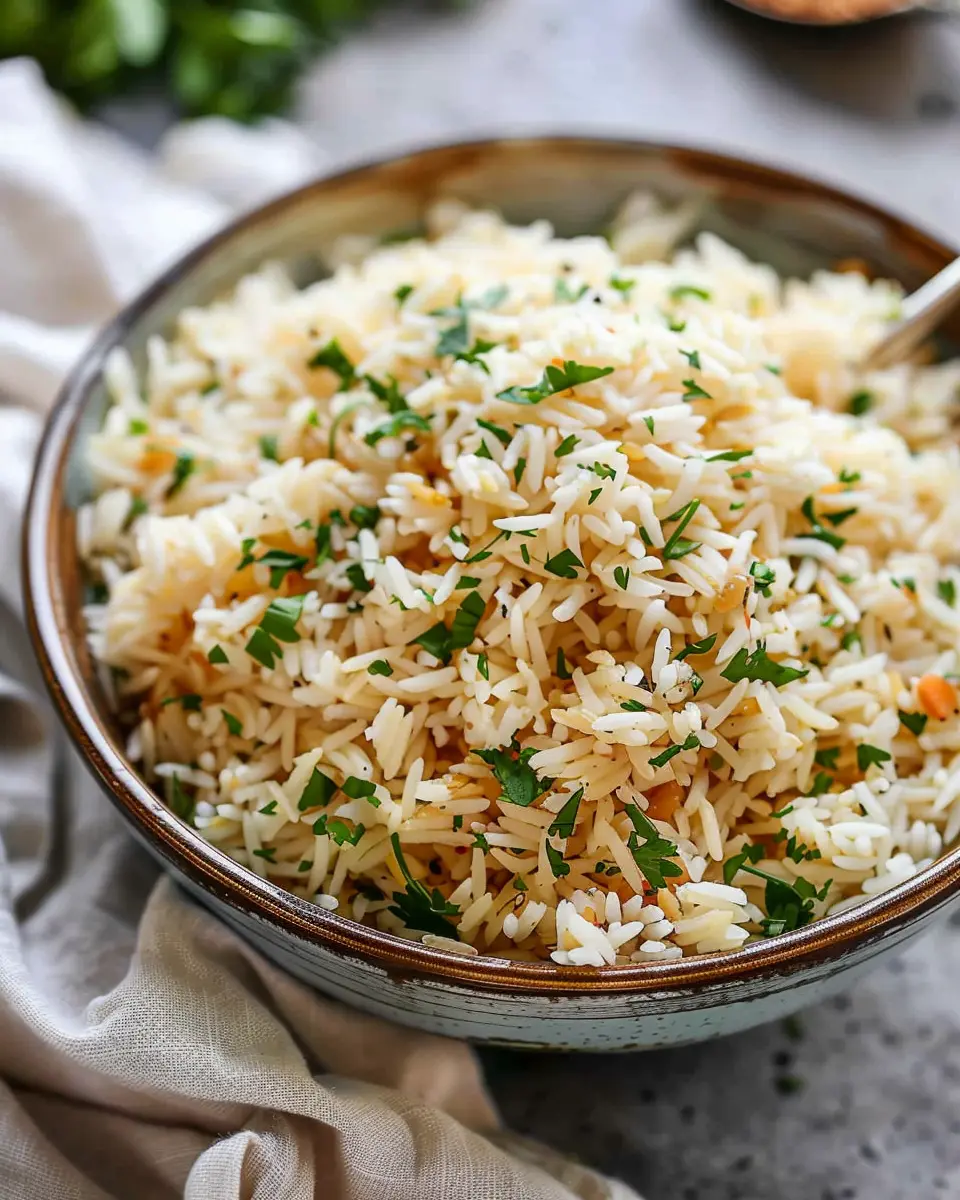
If you’re on the lookout for a delicious, versatile, and easy dish to elevate your meal, rice pilaf deserves your attention. This simple yet elegant dish marries the flavors of seasoned rice with a variety of ingredients, making it perfect for any occasion. Whether you’re entertaining friends, preparing a family dinner, or meal prepping for the week, rice pilaf can adapt to fit your needs.
Why Choose Rice Pilaf for Your Meals?
So what makes rice pilaf a go-to choice for so many? Here are a few compelling reasons:
-
Customizable Flavor Profiles: One of the best things about rice pilaf is its adaptability. You can use chicken broth, vegetable broth, or even herb-infused water as a base, which can completely change the dish’s taste. Add spices like cumin or turmeric for a Middle Eastern flair, or incorporate fresh herbs like parsley or cilantro for a burst of freshness.
-
Nutrient-Rich: By incorporating vegetables like bell peppers, peas, or even mushrooms, you can enhance the nutritional value of your pilaf. According to the USDA, including a variety of vegetables in your diet can improve your overall health and digestive system.
-
Perfect Pairing: Rice pilaf complements a variety of proteins beautifully. Whether you’re serving turkey bacon, grilled chicken, or roasted vegetables, the fluffy, flavorful rice acts as an excellent backdrop. It doesn’t overshadow other dishes but rather enhances the meal as a whole.
If you’re curious and want to explore further, check out Harvard Health Publishing for insights on the health benefits of rice.
How often do you find yourself staring at your pantry, unsure of what to whip up for dinner? With rice pilaf, the solution is almost always at hand, allowing for spontaneous culinary adventures. Not to mention, it’s an ideal dish for busy lifestyles—quick to prepare yet satisfying enough to feel like a real meal.
Next time you’re planning a meal, keep rice pilaf in mind. It might just become a staple in your kitchen for its delicious flexibility and ease of preparation.
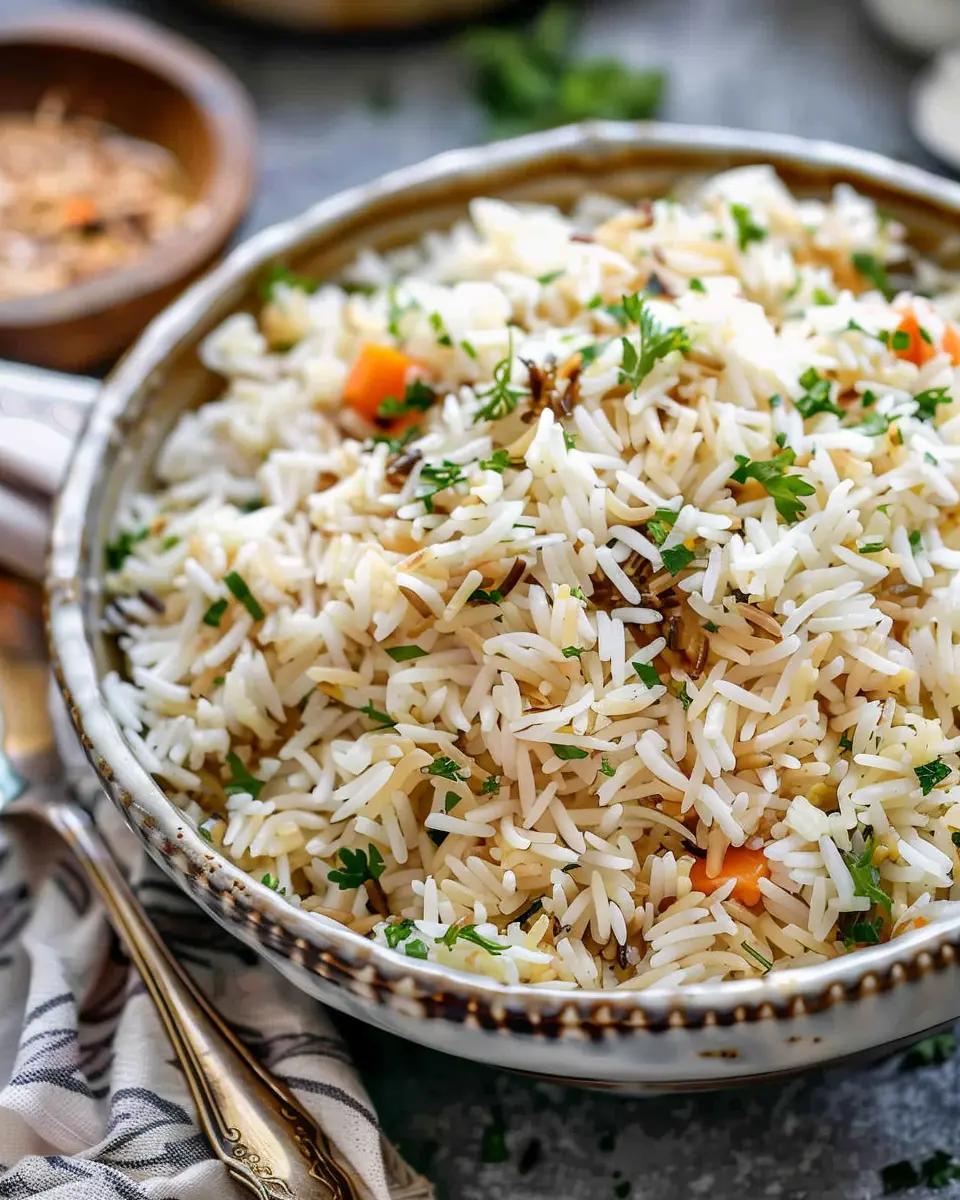
Ingredients for Rice Pilaf
Essential ingredients for a classic rice pilaf
Crafting the perfect rice pilaf is all about using quality ingredients that complement each other beautifully. Here’s what you need to get started:
- Rice: Long-grain varieties like basmati or jasmine work wonderfully, providing that fluffy texture we all love.
- Broth or Stock: Use chicken, beef, or vegetable broth for a flavorful base. If you’re looking for a lighter option, consider low-sodium versions to control the saltiness.
- Aromatics: Sautéed onions and garlic elevate the dish with a rich depth of flavor.
- Turkey Bacon or Chicken Ham: These leaner options add savory notes without overwhelming the delicacy of the rice; they’re perfect for a heartier dish.
- Vegetables: Peas, carrots, or bell peppers not only add color but also enhance the nutritional value.
- Spices: A pinch of cumin, turmeric, or saffron can take your rice pilaf to the next level, adding warmth and complexity.
Each ingredient plays a vital role, so be sure to choose fresh options! For more tips on selecting the right rice, check out The Rice Association. Cooking can be a fun adventure, so don’t hesitate to experiment with these ingredients to make this dish your own!
Preparing Rice Pilaf
Rice pilaf is a delightful dish that’s both versatile and easy to prepare. With its fragrant spices and fluffy rice, it can be a comforting side or a delightful main dish. Here’s a step-by-step guide on how to prepare rice pilaf that will impress your friends and family.
Rinse the Rice Properly
Before getting started with your rice pilaf, the first step is essential: rinsing the rice. This process removes excess starch, which can lead to sticky, gummy rice. Here’s how to do it:
- Measure the Rice: Start with about 1 cup of long-grain rice, though you can adjust based on your needs.
- Rinse: Place the rice in a fine mesh strainer and run it under cold water. Use your fingers to gently swish the grains around.
- Look for Clarity: Continue rinsing until the water runs clear, which usually takes about 2-3 minutes. This ensures a more fluffy texture, making for a perfect rice pilaf.
Rinsing rice may seem like a small step, but it’s critical for achieving that ideal light and airy result.
Sauté the Aromatics
Next up, it’s time to build flavor! This step incorporates aromatics, helping to create a deeply savory base for your rice pilaf. You’ll need:
- 1 tablespoon of olive oil or unsalted butter
- 1 small onion, finely chopped
- 2 cloves of garlic, minced
- Optional: Add spices like cumin or bay leaves for extra depth.
- Heat: In a medium saucepan, heat your olive oil or butter over medium heat.
- Sauté: Add the onion and sauté for about 3-4 minutes, until it becomes translucent. This is your flavor foundation.
- Add Garlic: Toss in the minced garlic and cook for an additional minute, just until fragrant. Be careful not to let it brown!
This aromatic mixture becomes the soul of your rice pilaf, setting the stage for the deliciousness that follows.
Combine and Cook the Rice
Now that your aromatics are beautifully sautéed, it’s time to bring in the rice! Here’s how to combine everything:
- Add the Rice: Carefully add your rinsed rice to the pan and stir it well. This helps to coat the rice with the flavorful oil and prevents it from clumping.
- Add Liquid: Pour in 2 cups of low-sodium chicken broth (or vegetable broth for a vegetarian option). This will give your rice pilaf an extra layer of flavor.
- Season: Add salt and pepper to taste. You can also add a dash of turmeric or saffron for color and depth.
- Bring to a Boil: Once combined, increase the heat until the mixture reaches a boil. Then, reduce the heat to low, cover, and let it simmer.
Cooking time typically takes about 15-20 minutes, but feel free to check your rice as different varieties may require slight adjustments.
Allow the Rice to Rest
This step is crucial in achieving that perfect fluffy texture. After the cooking time, remove the pan from the heat:
- Let It Sit: Keep the lid on and let the rice sit for about 5-10 minutes. This resting period allows the steam to continue cooking the rice and makes it fluffier.
Trust the process—your patience will be rewarded!
Fluff and Finish with Parsley
Lastly, it’s time to bring everything together!
- Fluff: Use a fork to gently fluff the rice, separating the grains without smashing them.
- Garnish: Chop some fresh parsley (or your favorite herb) and stir it through the rice. This adds a beautiful green color and fresh notes to your rice pilaf.
Serve your rice pilaf warm as a comforting side or even as a main dish. It’s a fantastic base for proteins like turkey bacon or chicken ham, making it versatile enough for any meal.
For more variations and tips on cooking rice perfectly, you can check out some resources like the Rice Association or Food Network for inspiration.
Now gather your ingredients, roll up your sleeves, and dive into the delightful world of rice pilaf! The wonderful aroma and taste you create will certainly bring a smile to the table.
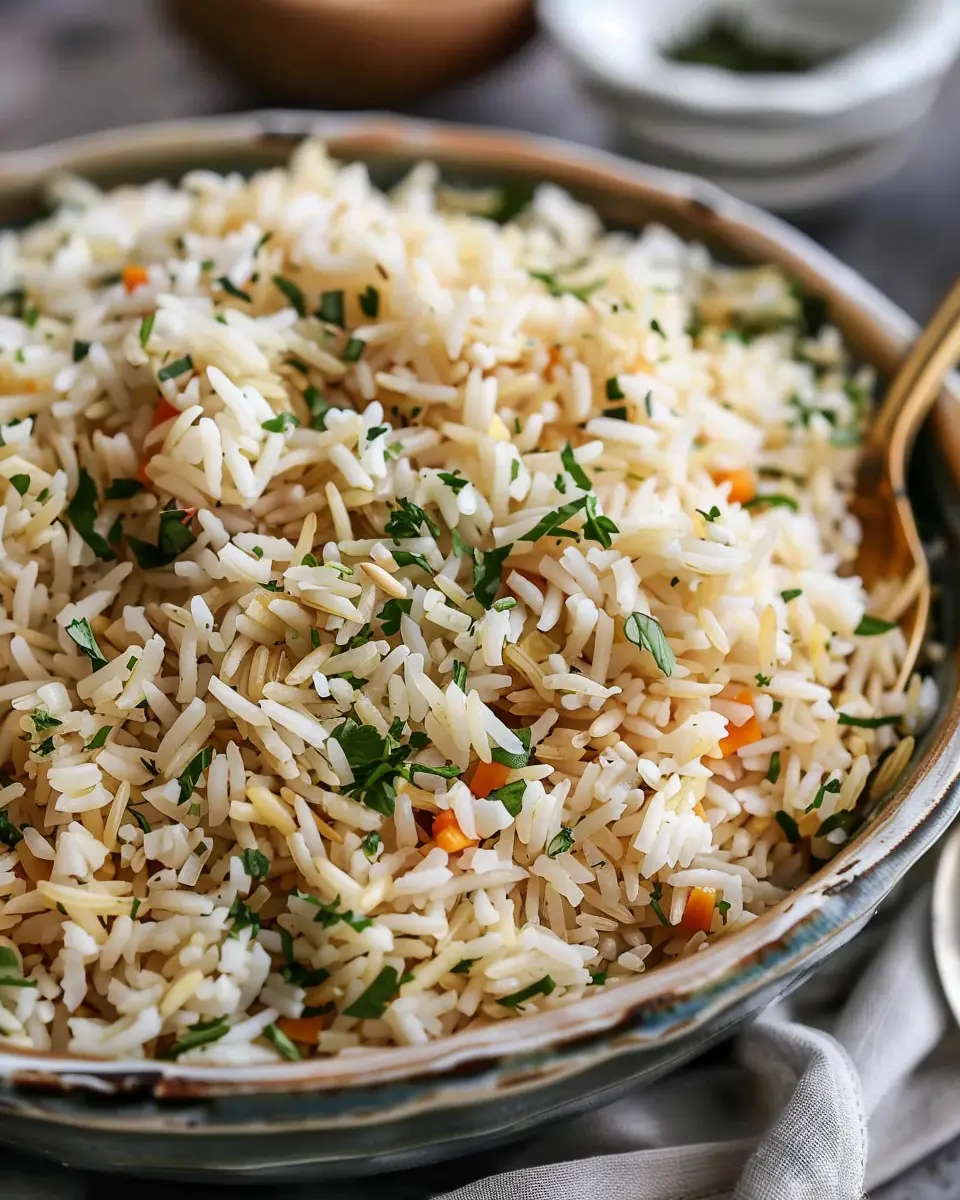
Variations on Rice Pilaf
Rice pilaf is incredibly versatile, and there are countless ways to put your unique spin on this classic dish. Let’s explore a few variations that can elevate your rice pilaf game!
Mediterranean-Inspired Rice Pilaf
Transform your rice pilaf into a Mediterranean delight by incorporating ingredients like olives, sun-dried tomatoes, and artichokes. Start by sautéing onions and garlic in olive oil, then add your rice alongside vegetable broth enriched with lemon juice and fresh herbs such as oregano and basil. This flavorful combination not only enhances the rice pilaf but also adds a vibrant touch to your dining table. For added protein, sprinkle in some grilled chicken or chickpeas.
Spiced Rice Pilaf with Nuts and Dried Fruits
For a more aromatic experience, try a spiced rice pilaf enriched with nuts and dried fruits. Utilize spices like cumin, cinnamon, and turmeric to create a warm flavor profile. Toss in toasted almonds or pistachios, along with dried apricots or raisins for a delightful sweetness. This variation is perfect for a festive occasion and pairs beautifully with roasted meats or even as a stand-alone dish.
Vegan Rice Pilaf Options
If you’re leaning toward a plant-based meal, vegan rice pilaf options are abundant! Use vegetable broth and fresh, seasonal vegetables like bell peppers and peas. Adding chickpeas can boost the protein content while keeping everything hearty and satisfying. For an earthy taste, consider including mushrooms or butternut squash. You can explore more on plant-based dish options at Vegan Society.
Incorporating these variations into your cooking routine ensures that your rice pilaf will never feel repetitive. So, which version will you try next?
Cooking Tips and Notes for Rice Pilaf
Common Pitfalls to Avoid
Making the perfect rice pilaf can feel daunting, but there are a few common pitfalls to watch out for:
- Rinsing the Rice: Skipping the rinse can lead to overly sticky rice. Rinsing helps remove excess starch, resulting in a fluffier texture.
- Overcooking: Keep an eye on the cooking time. The goal is tender rice, not mush! About 18-20 minutes usually does the trick, depending on the type of rice.
- Too Much or Too Little Liquid: The ratio of rice to broth is key—typically, it’s a 1:2 ratio. Adjusting for different rice varieties is crucial; long-grain rice may need slightly less.
If you’re looking for more guidance, check out this helpful resource on cooking rice from The Kitchn.
The Importance of Resting the Rice
One crucial step that many overlook is allowing your rice pilaf to rest after cooking. Once the rice is tender, take it off the heat, cover it with a lid, and let it sit for about 10 minutes. This resting period allows the steam to finish the cooking process and helps both flavors and textures to meld beautifully. When you fluff it with a fork afterwards, you’ll be amazed at how perfectly separated each grain is! Trust me, this step is worth it for an impressive side dish that complements any meal.
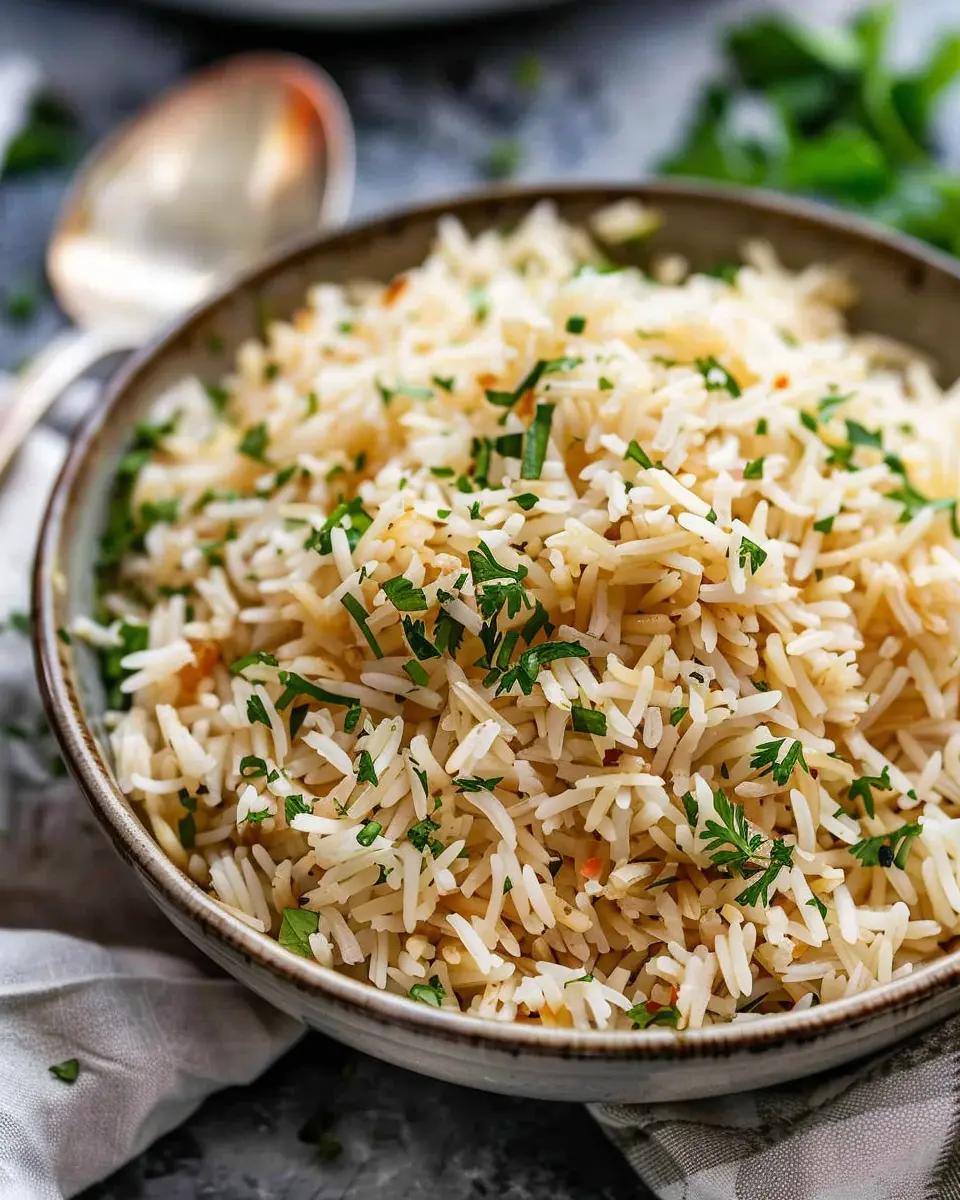
Serving suggestions for Rice Pilaf
Pairing Rice Pilaf with Proteins
When it comes to serving rice pilaf, the options are truly endless! This fluffy, aromatic dish complements a variety of proteins beautifully. Consider pairing your pilaf with:
- Grilled chicken: Chicken seasoned with Mediterranean herbs enhances the pilaf’s flavors.
- Turkey bacon: Adding crispy turkey bacon bits gives a savory crunch.
- Beef: Slow-cooked beef in a rich sauce creates a comforting contrast to the pilaf’s texture.
- Chicken ham: For a unique twist, grilled or sautéed chicken ham adds a delightful smokiness.
Transforming Rice Pilaf into a Main Dish
Feeling adventurous? Transform your rice pilaf into a standout main course! Here’s how:
- Add vegetables: Stir in roasted seasonal veggies like bell peppers and zucchini.
- Incorporate nuts: Toss in toasted almonds or pine nuts for a satisfying crunch and added health benefits.
- Use a protein-rich mix: Blend in chickpeas or lentils for a nutritious vegetarian option.
These simple additions not only enhance the dish but also make it versatile enough for various diets. Explore more on how to create the perfect pairings at sources like Epicurious for more gastronomic inspiration!
Time breakdown for Rice Pilaf
Preparation time
Getting started on your rice pilaf journey involves about 10-15 minutes of prep. This includes chopping your onions, garlic, and any veggies you want to add. Don’t rush; enjoy the process! It’s the foundation for a great meal.
Cooking time
Once your ingredients are ready, the cooking will take about 20-25 minutes. This is when the magic happens—let the rice absorb those savory flavors from the broth and spices.
Total time
Overall, you’re looking at around 30-40 minutes from start to finish. Perfect for a weeknight meal that feels a little special. The good news? Leftovers only get better! Want more tips on rice? Check out this article for an in-depth look at cooking perfect rice.
Nutritional facts for Rice Pilaf
Calories per serving
A typical serving of rice pilaf contains around 200-250 calories, making it a satisfying yet manageable side dish. This hearty portion keeps you energized without overwhelming your daily caloric intake.
Macronutrients overview
When it comes to macronutrients, rice pilaf shines bright. Here’s a quick snapshot:
- Carbohydrates: About 40-45 grams provide a great energy source.
- Proteins: Generally, you’ll find around 4-6 grams, especially if you opt to add chicken ham or turkey bacon for extra flavor.
- Fats: With just a few grams of healthy fats, typically from olive oil or butter, it maintains a balanced profile.
Dietary considerations
Rice pilaf can accommodate various dietary preferences. Looking for a gluten-free option? It’s naturally gluten-free, especially when made with rice. If you want to boost fiber, consider using brown rice instead of white. Always check ingredient labels if you’re trying to avoid certain processed foods.
Ultimately, rice pilaf is a versatile dish that’s as delicious as it is nutritious. For more detailed insights, the USDA and other nutritional databases are excellent sources for tailored advice on your dietary journey.
FAQs about Rice Pilaf
What’s the difference between rice pilaf and fried rice?
Rice pilaf and fried rice might look similar, but their preparation and flavor profile differ significantly. Rice pilaf is typically cooked by toasting the rice in oil or butter, which gives it a nutty flavor. After toasting, broth is added, and the rice is simmered until fluffy. On the other hand, fried rice starts with pre-cooked rice that is stir-fried with vegetables, meats, and sauces, creating a dish that’s usually more savory and bold in flavor. Interested in learning more about the distinctions? Check out this detailed article on rice varieties.
Can I store rice pilaf, and how long does it last?
Absolutely, you can store rice pilaf! After it has cooled, transfer it to an airtight container. When properly stored in the refrigerator, it can last for about 4 to 5 days. If you’d like to keep it longer, consider freezing it, where it can last for about 2 to 3 months. Just remember to thaw it in the fridge overnight before reheating.
What are some common spices to enhance rice pilaf?
Spices can elevate your rice pilaf to a whole new level. Some popular options include:
- Cumin: Adds earthy warmth.
- Cinnamon: A hint of sweetness and depth.
- Turmeric: For a golden hue and subtle flavor.
- Bay Leaves: A classic addition for aromatic depth.
Experiment with these spices or even mix them for a unique flavor blend. If you’re keen on discovering more spices, the McCormick Spice Guide offers extensive resources for enhancing your culinary creations!
Feel free to use these tips and experiment with flavors to make your rice pilaf uniquely yours. It’s not just a side dish; it can be a canvas for your culinary creativity!
Conclusion on Rice Pilaf
Recap on the Versatility of Rice Pilaf
Rice pilaf truly shines in its versatility, making it a go-to dish for many occasions. Whether you’re looking to impress guests or whip up a quick weeknight meal, you can easily customize it with various ingredients. Want a hearty version? Add vegetables and spices, or mix in Turkey Bacon for that extra flavor. For a lighter touch, consider pairing it with grilled chicken or fish.
It adapts beautifully to different cuisines—from Mediterranean to Asian. With its ability to complement so many proteins and vegetables, the possibilities are endless! Why not explore a few creative pairings or even check out more recipe variations to suit your taste?
PrintRice Pilaf Bliss: Easy Turkey Bacon and Chicken Ham Recipe
Discover the delightful flavors of Rice Pilaf made easy with turkey bacon and chicken ham.
- Prep Time: 10 minutes
- Cook Time: 30 minutes
- Total Time: 40 minutes
- Yield: 4 servings
- Category: Main Dish
- Method: Stovetop
- Cuisine: American
- Diet: Gluten-Free
Ingredients
- 1 cup long-grain rice
- 2 tablespoons olive oil
- 1 onion, chopped
- 3 cups chicken broth
- 1 teaspoon salt
- 1/2 teaspoon black pepper
- 1 cup turkey bacon, chopped
- 1 cup chicken ham, diced
- 1/2 cup peas
Instructions
- Heat olive oil in a pot over medium heat.
- Add chopped onion and sauté until translucent.
- Stir in the rice and cook for 2-3 minutes.
- Add chicken broth, salt, and pepper; bring to a boil.
- Reduce heat, cover, and simmer for 15-20 minutes.
- In a separate pan, cook turkey bacon until crispy, then add chicken ham and heat through.
- Combine the cooked rice with the bacon and ham mixture, then fold in the peas.
- Serve warm.
Notes
- For extra flavor, add herbs such as thyme or parsley.
- This recipe can be adapted using different types of meat.
Nutrition
- Serving Size: 1 cup
- Calories: 350
- Sugar: 1g
- Sodium: 700mg
- Fat: 12g
- Saturated Fat: 3g
- Unsaturated Fat: 8g
- Trans Fat: 0g
- Carbohydrates: 45g
- Fiber: 2g
- Protein: 20g
- Cholesterol: 50mg