




Introduction to Old Fashioned Beef Stew
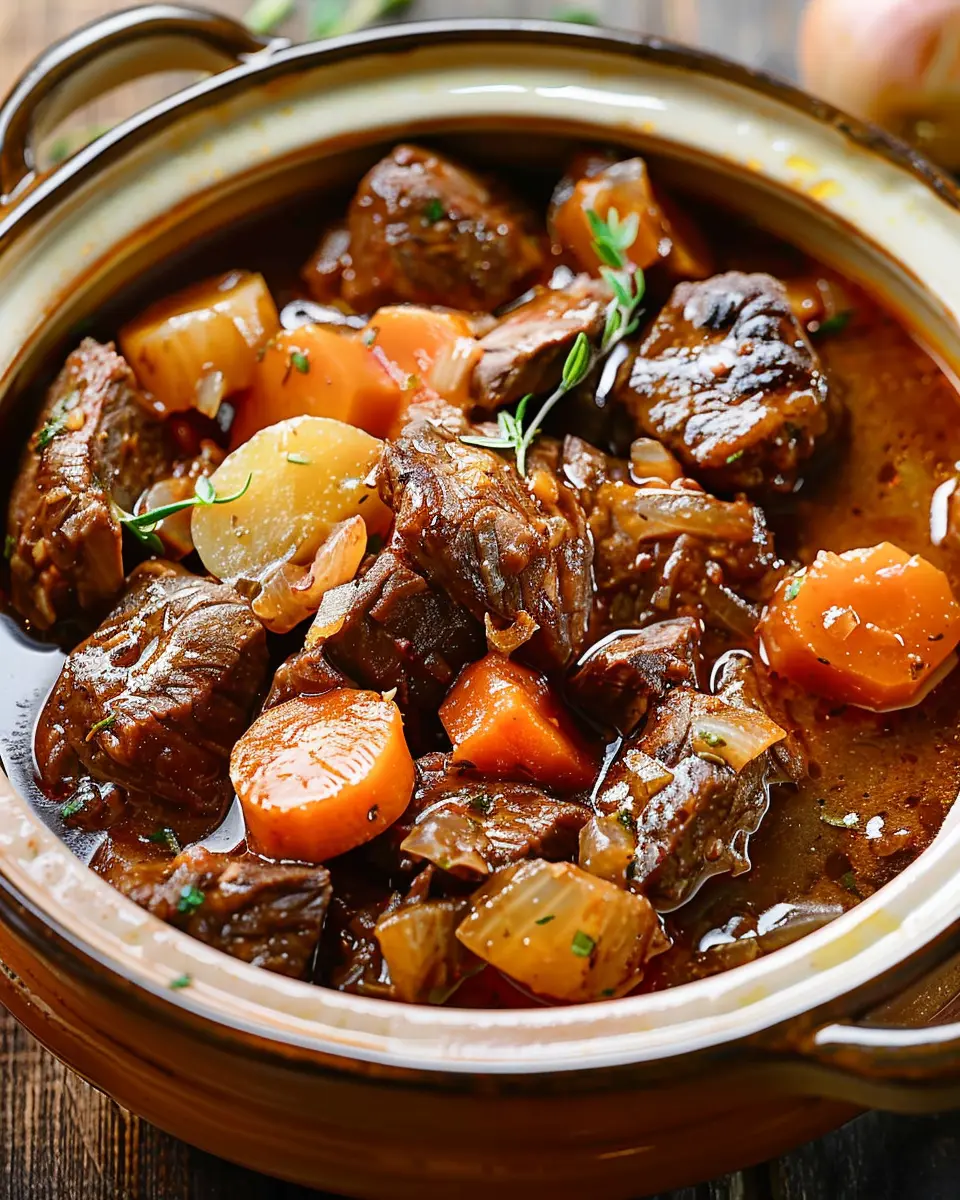
There’s something undeniably warm and inviting about a bubbling pot of old fashioned beef stew. It’s a dish that transports you back to the comforts of home, evoking memories of cozy nights and family gatherings. But what makes this classic stew such a beloved comfort food?
The Heart of Comfort Food
First and foremost, old fashioned beef stew is all about simplicity and wholesome ingredients. With tender chunks of beef, fresh vegetables, and a savory broth, each ingredient plays a role in creating a dish that nourishes both the body and soul. According to a study by The Hartman Group, meals that connect us to home-cooked traditions provide a sense of belonging and emotional well-being. When you take a bite of that hearty stew, it’s like wrapping yourself in a warm blanket on a chilly evening.
The beauty of old fashioned beef stew lies in its versatility. You can customize the recipe to suit your palate, adding vegetables like carrots and potatoes or incorporating your favorite herbs and spices. Each serving not only represents a meal but also a creative outlet, allowing you to experiment with flavors and textures. Plus, it’s a fantastic way to make use of seasonal produce, leading to fresher, more vibrant meals.
Cooking as a Form of Self-Care
While the fridge may hold various ingredients, turning them into a pot of old fashioned beef stew can feel like a therapeutic ritual. The rhythmic chopping, the sizzle of searing meat, and the aroma filling your kitchen can lift your spirits. Plus, knowing that you’re preparing something healthy and satisfying for yourself or loved ones just adds to the joy.
Cooking old fashioned beef stew on a lazy weekend can become a cherished tradition. Invite friends over, share stories, and enjoy the slower pace of the cooking process. There’s something genuinely rewarding about creating a meal from scratch, and with each spoonful, you’ll be reminded of why comfort food shines so brightly in our culinary hearts.
In short, if you haven’t delved into the world of old fashioned beef stew, it’s time to grab your apron and discover your new favorite comfort food. Links to tools and techniques can make your cooking journey even easier; check out resources like Serious Eats for tips or America’s Test Kitchen for expert advice on perfecting the craft. Your taste buds will thank you!
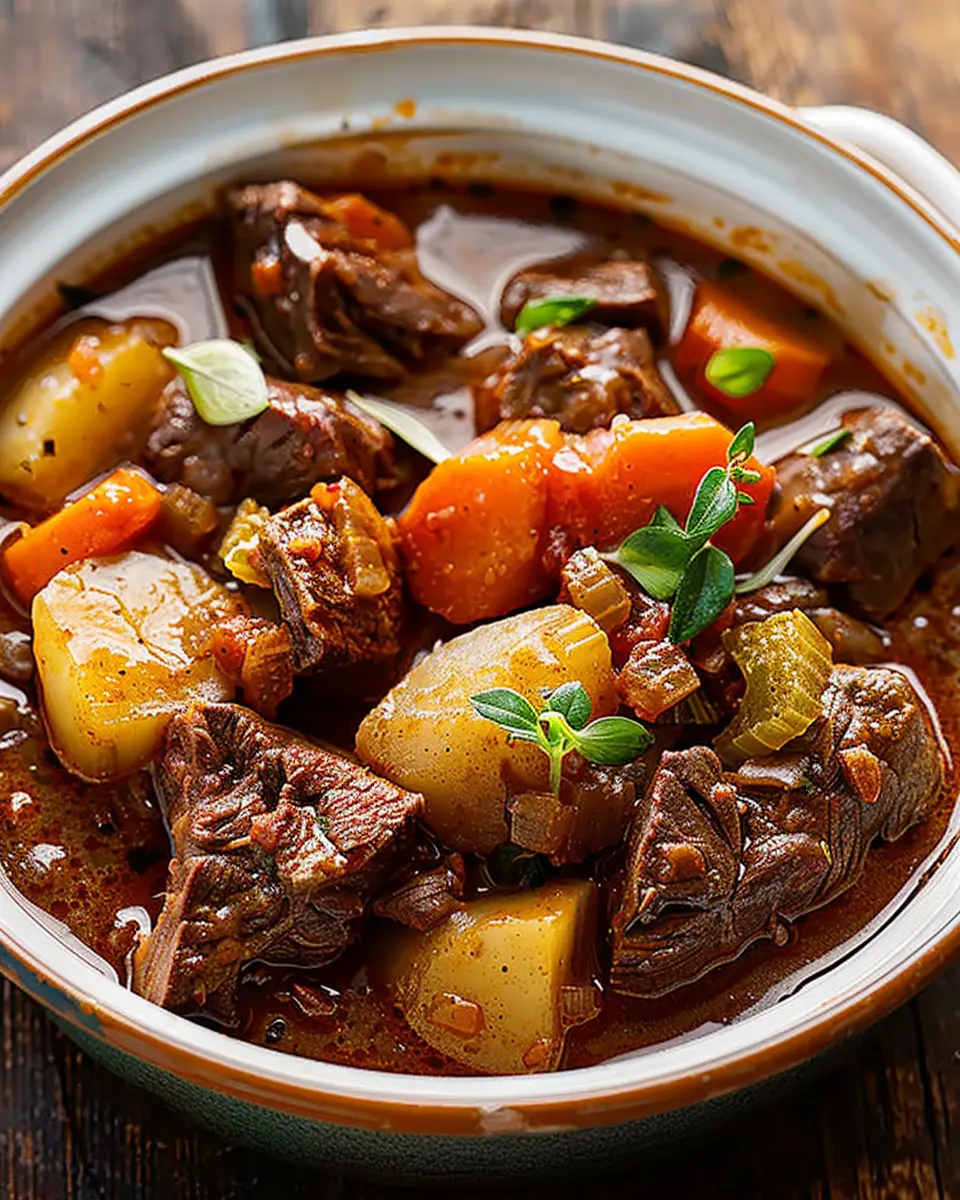
Ingredients for Old Fashioned Beef Stew
Creating a comforting bowl of old fashioned beef stew starts with gathering the essential ingredients. These hearty elements come together to create a rich and satisfying dish that will warm you up from the inside out. Here’s what you’ll need:
- Beef chuck (2-3 pounds): Look for well-marbled cuts for the most flavor.
- Turkey bacon (4 slices): This substitutes traditional bacon, adding smokiness without the extra fat.
- Chicken ham (1 cup, diced): It lends a subtle sweetness that balances the savory beef.
- Carrots (3 medium, sliced): These not only provide vibrant color but also contribute natural sweetness.
- Potatoes (3 medium, diced): Opt for starchy varieties like Russet for a creamy texture.
- Onions (2 medium, chopped): These give a depth of flavor; don’t skimp on them!
- Celery (2 stalks, chopped): Add crunch and a fresh taste to the stew.
- Garlic (3 cloves, minced): A must-have for that aromatic base.
- Beef broth (4 cups): Use low-sodium to control the saltiness of your stew.
- Dried herbs (like thyme and bay leaves): Enhance the overall warmth of the dish—fresh herbs can also be an option.
With these ingredients, you’ll be well on your way to making a warm, nostalgic old fashioned beef stew that’s perfect for cozy evenings. Don’t forget to check this resource for cooking tips that will elevate your stew to the next level!
Preparing Old Fashioned Beef Stew
There’s something so comforting about a warm bowl of old fashioned beef stew. Whether it’s a chilly evening or you just want a taste of home, this recipe is sure to deliver satisfaction. Wondering how to whip up this hearty dish? Let’s dive into the process together!
Gather Your Ingredients
First things first, you’ll need to gather all the essential ingredients. Here’s what you’ll need:
- 2 pounds of chuck roast, cut into 1-inch cubes
- 3 tablespoons of oil (vegetable or olive)
- 1 large onion, chopped
- 3 cloves garlic, minced
- 4 cups beef broth (homemade or store-bought)
- 3 medium carrots, sliced
- 3 medium potatoes, peeled and cubed
- 1 cup frozen peas
- 2 tablespoons tomato paste
- 2 teaspoons dried thyme
- 1 bay leaf
- Salt and pepper to taste
Having everything ready to go will not only streamline the cooking process but will also keep things fun and engaging!
Brown the Beef Cubes
Now, let’s get cooking! Start by heating 2 tablespoons of oil in a large pot or Dutch oven over medium-high heat. Once hot, add the beef cubes in batches (to avoid overcrowding) and season them lightly with salt and pepper.
- Why should you brown the beef? This step is critical! It adds depth of flavor and creates a beautiful crust on the outside of the meat. Aim for a nice golden-brown color without cooking it through—this will happen later.
Sauté the Onions and Create the Base
Once the beef is browned, remove it from the pot and set it aside. In the same pot, add the chopped onion, along with a little more oil if necessary. Sauté the onions for about 5 minutes until they are soft and translucent. This process helps build the base of your old fashioned beef stew.
- Make sure to scrape up any brown bits left from the beef; those are packed with flavor!
Build Flavor with Garlic and Herbs
Next up, add the minced garlic and cook for about 1 minute. Garlic can burn easily, so stir it frequently to ensure you get that aromatic goodness without the bitterness.
Now, stir in the tomato paste, thyme, and bay leaf, and cook for another minute. The tomato paste not only contributes acidity that balances out the dish but also adds a subtle sweetness.
Incorporate Broth and Simmer
Once those flavors are feeling cozy together, pour in the beef broth and stir well. Then, add the browned beef back to the pot. Bring everything to a gentle boil, then reduce the heat to low and let it simmer, covered, for about an hour.
- Pro Tip: This allows the beef to become tender and the flavors to meld together beautifully. While it simmers, your home will smell absolutely incredible!
Add in Vegetables
After the hour-long simmer, it’s time to add those hearty vegetables. Toss in the sliced carrots and cubed potatoes, stirring well to combine. Cover the pot again and let it continue to simmer for another 30-40 minutes, or until the vegetables are tender.
- This is where you can truly make this stew your own! Feel free to add other vegetables like parsnips or squash—experimenting keeps things lively.
Finish with Peas and Serve
In the last 5 minutes of cooking, add the frozen peas to the pot. They add a pop of color and a sweet crunch.
Finally, taste the stew and adjust the seasoning if necessary. Serve it piping hot, and trust me, everyone will want a second helping! There’s nothing quite like a homemade bowl of old fashioned beef stew to nourish body and soul.
Now that you have this hearty recipe, isn’t it time you treated yourself to some comfort food? You can find more cooking tips and recipes at reputable cooking sites like Serious Eats or The Kitchn. Enjoy every bite!
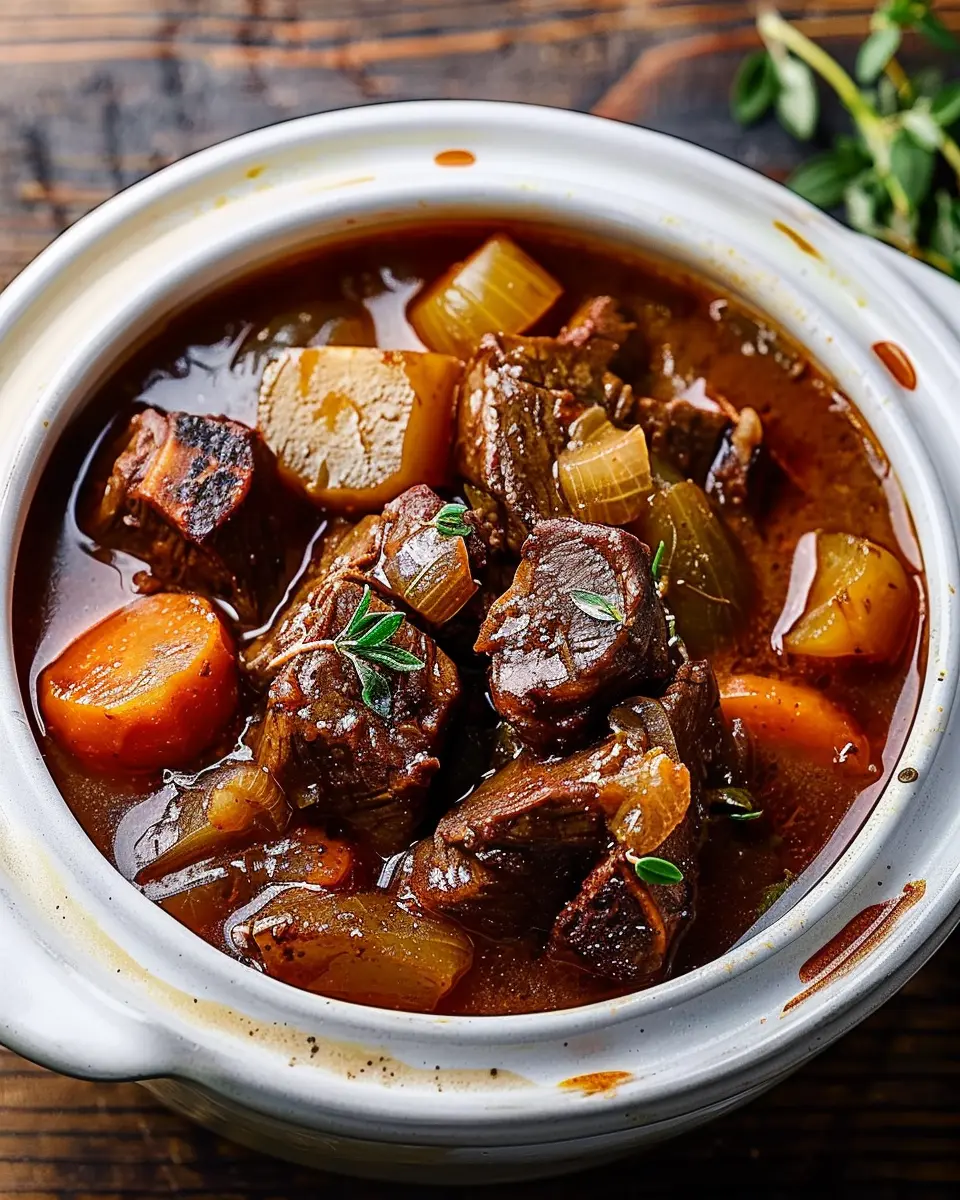
Variations on Old Fashioned Beef Stew
Beef Stew with Mushrooms
If you’re seeking to elevate your old fashioned beef stew, adding mushrooms can give it an earthy depth that’s simply irresistible. Start by sautéing a mix of cremini and shiitake mushrooms until they’re beautifully golden, then fold them in during the last 30 minutes of cooking. Not only do mushrooms enhance the flavor, but they also increase the nutritional profile of your stew! According to the USDA, mushrooms are low in calories but high in vitamins, making them an excellent addition.
Spicy Beef Stew for a Kick
For those who crave a little warmth, a spicy beef stew is a game changer. Incorporate some diced jalapeños or a spoonful of chili powder to your old fashioned beef stew base to amp up the heat. You might also consider adding a dash of smoked paprika for a subtle smokiness. If you’re feeling adventurous, topping your stew with freshly chopped cilantro or green onions can provide the perfect contrast to the heat.
Discovering variations like these not only keeps your palate engaged but also makes meal prep exciting. Whether you go for the rich umami of mushrooms or the fiery zest of spices, each twist on this comforting classic is sure to earn rave reviews from family or friends. For more tips and variations, check out reliable sources like EatingWell and Bon Appétit for inspiration!
Cooking notes for Old Fashioned Beef Stew
When preparing an old fashioned beef stew, there are a few key tips to keep in mind to enhance the flavor and make your cooking experience enjoyable.
Choosing the Right Meat
Opt for chuck roast, as it’s tender and flavorful once cooked low and slow. Cutting it into uniform pieces ensures even cooking. Remember, sear the meat first to lock in those delicious juices!
Selecting Your Vegetables
Don’t shy away from root vegetables! Carrots and potatoes are classics, but consider adding parsnips or sweet potatoes for a unique twist. Fresh herbs like thyme or bay leaves can elevate the dish – try using them for a burst of flavor.
Liquid Alternatives
Instead of wine, use beef broth or even a splash of apple cider vinegar to add depth without the alcohol. A good rule of thumb is to use a liquid that complements the beef.
Low and Slow is the Way to Go
Cooking your stew on low heat for several hours helps the meat become tender and allows the flavors to meld beautifully. Patience is key—don’t rush this process!
For more insights on slow cooking, check out resources from The Spruce Eats or Serious Eats for additional tips. Enjoy your culinary journey!
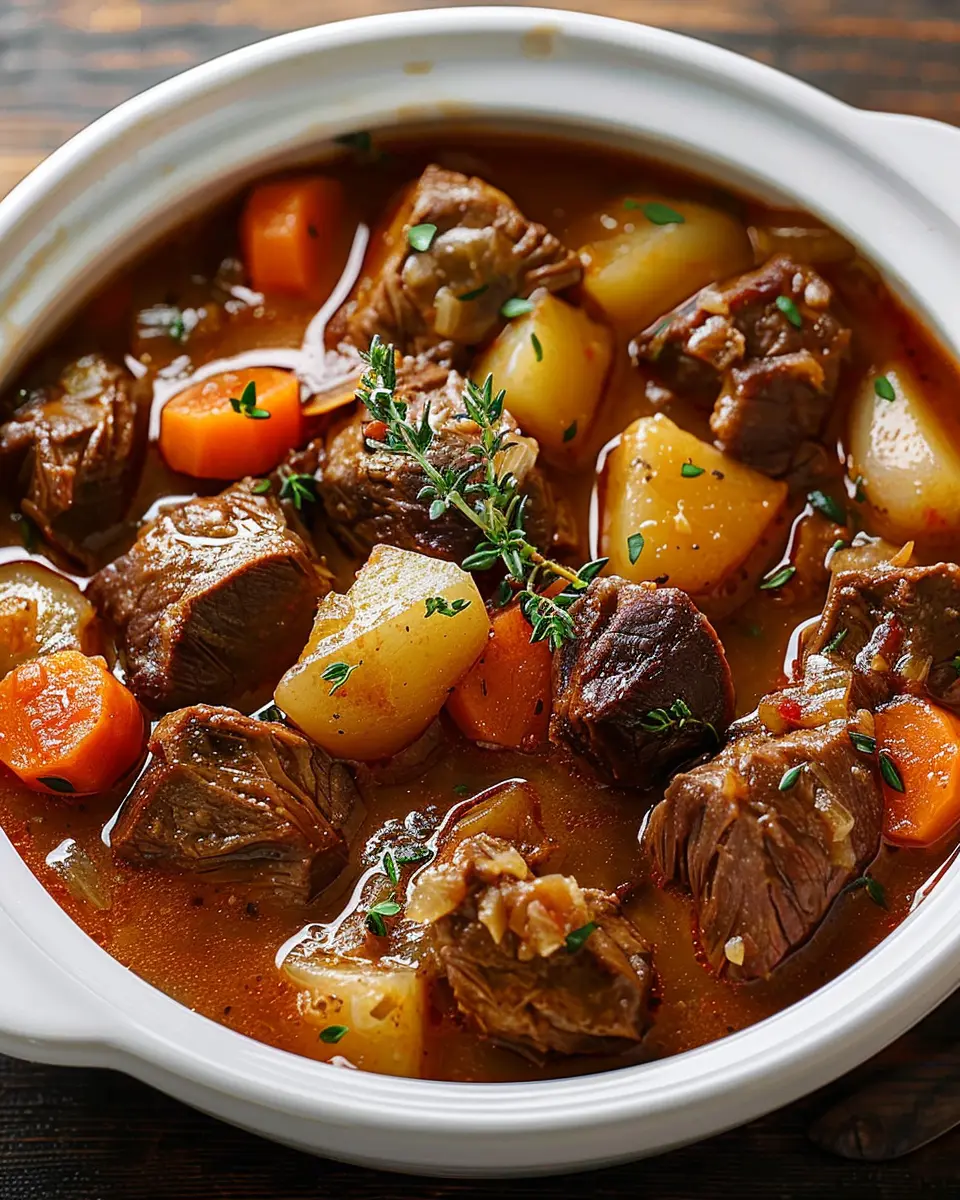
Serving suggestions for Old Fashioned Beef Stew
When it comes to enjoying old fashioned beef stew, serving it just right can elevate the meal from hearty to truly memorable. Here are some delightful suggestions to consider:
Perfect Pairings
- Crusty Bread: There’s nothing like a warm slice of sourdough or a crispy baguette to soak up every last drop of that rich stew.
- Fresh Salad: A light, refreshing side salad balances the stew’s robustness. Think mixed greens with a zesty vinaigrette.
- Steamed Vegetables: Adding a side of steamed broccoli or green beans can provide a nice crunch and a pop of color—enhancing both aesthetics and flavor.
Beverage Choices
Instead of traditional wine, try pairing your stew with a rich apple cider or a refreshing sparkling water with a twist of lemon. These alternatives complement the depth of flavors in old fashioned beef stew without overpowering it.
A Personal Touch
When hosting a gathering, don’t hesitate to top the stew with a sprinkle of fresh herbs, like parsley or thyme, for that chef-like finish. It’s an easy way to impress your guests!
By following these suggestions, you can create an inviting atmosphere that truly showcases your delicious old fashioned beef stew. For additional tips and creative ideas, check out resources like The Kitchn or Food Network. Enjoy!
Tips for Making Perfect Old Fashioned Beef Stew
Creating the ideal old fashioned beef stew is as much about technique as it is about love for comfort food. Here are some insider tips to elevate your dish.
Choose Quality Ingredients
Start with high-quality chuck roast, as it becomes tender and flavorful when cooked slowly. Look for marbling—this fat breaks down during cooking, enriching your stew’s depth. Pair this with fresh veggies like carrots, potatoes, and onions for a wholesome balance.
Seasoning is Key
A well-seasoned stew is a delicious one. Don’t shy away from your herbs! A mix of thyme, bay leaves, and a dash of smoked paprika can add layers of flavor. Season at different stages to improve the overall taste. For more on seasoning essentials, check out this guide.
Browning Matters
Taking the time to brown your beef is crucial. Aim for a deep caramelization, which adds a rich, savory base. Plus, those browned bits, known as fond, are gold when it comes to flavor.
Don’t Rush the Cooking Process
Patience is vital. Allow your stew to simmer gently for at least two hours. This slow cooking process helps meld flavors and tenderize the beef beautifully. A good trick? Let it cool and refrigerate overnight before reheating—some say it tastes even better the next day!
Incorporating these tips will help you create a steaming pot of old fashioned beef stew that warms the soul and makes every moment at the dinner table special. Happy cooking!
Time details for Old Fashioned Beef Stew
Preparation time
The preparation time for your old fashioned beef stew is about 20 to 30 minutes. This is when you’ll chop your fresh veggies, season your beef, and get everything ready for that simmering goodness.
Cooking time
Once you’ve got all your ingredients prepped, the cooking time is approximately 2 to 3 hours. This slow-cooking method really helps to develop rich flavors, allowing the beef to become tender and the vegetables to soak up all that delicious broth.
Total time
In total, you’re looking at about 2.5 to 3.5 hours for your stew, from prep to the first spoonful. If you’re interested in how slow cooking enhances flavors, consider checking resources like Slow Cooker Central or The Kitchn, which offer great insights into cooking techniques. Enjoy the process, and soon enough, you’ll be savoring a bowl of hearty old fashioned beef stew!
Nutritional Information for Old Fashioned Beef Stew
When preparing a comforting dish like old fashioned beef stew, knowing the nutritional information can help you enjoy it guilt-free!
Calories
A typical serving of this stew contains approximately 300-400 calories, depending on the specific ingredients and portion sizes. This makes it a hearty yet manageable option for dinner.
Protein
Packed with protein, each serving boasts around 25 grams. This protein punch not only helps with muscle repair but also keeps you feeling satiated longer—perfect after a long day at work.
Sodium
Be mindful of sodium levels, as a serving can range between 600-800 mg. For a lower-sodium version, consider using homemade broth or less salty ingredients. Keeping track of sodium intake is crucial for maintaining a healthy lifestyle.
For more information on healthy eating, check out resources like the Harvard T.H. Chan School of Public Health. Enjoy your stew, knowing it nourishes both body and soul!
FAQs about Old Fashioned Beef Stew
How can I make my stew richer in flavor?
There are several fantastic ways to enhance the depth of old fashioned beef stew. Consider browning your beef for a few extra minutes before adding it to the pot. This simple technique locks in juices and adds a caramelized note. You can also incorporate herbs like rosemary or thyme, which complement the beef beautifully. A splash of balsamic vinegar or apple cider vinegar towards the end of cooking can round out the flavors while adding some acidity. Lastly, try adding a tablespoon of tomato paste during the sautéing phase; this not only enriches the taste but also provides a lovely color.
What can I substitute for beef broth?
If you find yourself without beef broth, no worries! You can easily substitute it with chicken broth or vegetable broth for a lighter flavor. For a heartier option, consider using a mix of water and a bouillon cube, or make a homemade broth with leftover veggies and seasonings. Additionally, try adding a bit of soy sauce or Worcestershire sauce to amp up the umami flavor—both are versatile options that can enhance your old fashioned beef stew without overwhelming it.
How do I store leftovers of beef stew?
To properly store your old fashioned beef stew, let it cool to room temperature before transferring it to airtight containers. It should be refrigerated within two hours to ensure safety. Enjoy the stew within three to four days for the best taste and quality. If you’re looking to save it for a longer period, consider freezing it! Just make sure to use freezer-safe containers, and it can last for up to three months. Reheating is a breeze; just defrost in the fridge overnight and reheat gently on the stove.
By incorporating these tips, you’ll enjoy a flavorful and comforting meal that warms the soul. For more cooking ideas that suit your busy lifestyle, check out this helpful resource on delicious one-pot meals!
Conclusion on Old Fashioned Beef Stew
Making an old fashioned beef stew is not just about following a recipe; it’s an experience that transports you to cozy kitchens and warm family gatherings. This dish embodies comfort food at its finest, brimming with tender beef and fresh vegetables that simmer together beautifully.
Consider experimenting with herbs or adding turkey bacon for a unique twist—these small touches can elevate the traditional recipe to new heights.
Whether you’re hosting friends or enjoying a quiet evening at home, serving this hearty stew will surely impress. For more culinary inspiration, check out other comforting recipes at Food Network or Serious Eats. Remember, this old fashioned beef stew is destined to become a household favorite!
PrintOld Fashioned Beef Stew: A Heartwarming Family Favorite Recipe
This Old Fashioned Beef Stew is a heartwarming dish that’s perfect for family gatherings and cozy dinners.
- Prep Time: 20 minutes
- Cook Time: 2 hours
- Total Time: 2 hours 20 minutes
- Yield: 6 servings
- Category: Dinner
- Method: Stovetop
- Cuisine: American
- Diet: Gluten-Free
Ingredients
- 2 pounds beef chuck, cut into cubes
- 4 cups beef broth
- 1 cup carrots, sliced
- 1 cup potatoes, diced
- 1 cup onions, chopped
- 3 cloves garlic, minced
- 2 tablespoons tomato paste
- 1 tablespoon Worcestershire sauce
- 1 teaspoon dried thyme
- 1 teaspoon salt
- 1/2 teaspoon black pepper
- 1 tablespoon vegetable oil
Instructions
- In a large pot, heat the vegetable oil over medium heat.
- Add the beef cubes and brown on all sides.
- Stir in the onions and garlic, and cook until softened.
- Add the carrots, potatoes, beef broth, tomato paste, Worcestershire sauce, thyme, salt, and pepper.
- Bring to a boil, then reduce heat and let simmer for 1.5 to 2 hours until the beef is tender.
- Serve hot and enjoy!
Notes
- This stew can be made a day ahead to enhance the flavors.
- Feel free to add your favorite vegetables for variety.
Nutrition
- Serving Size: 1 bowl
- Calories: 350
- Sugar: 4g
- Sodium: 800mg
- Fat: 15g
- Saturated Fat: 5g
- Unsaturated Fat: 8g
- Trans Fat: 0g
- Carbohydrates: 30g
- Fiber: 4g
- Protein: 30g
- Cholesterol: 100mg