




Introduction to Gochujang Pasta
Why Gochujang is a Game-Changer in Pasta Dishes
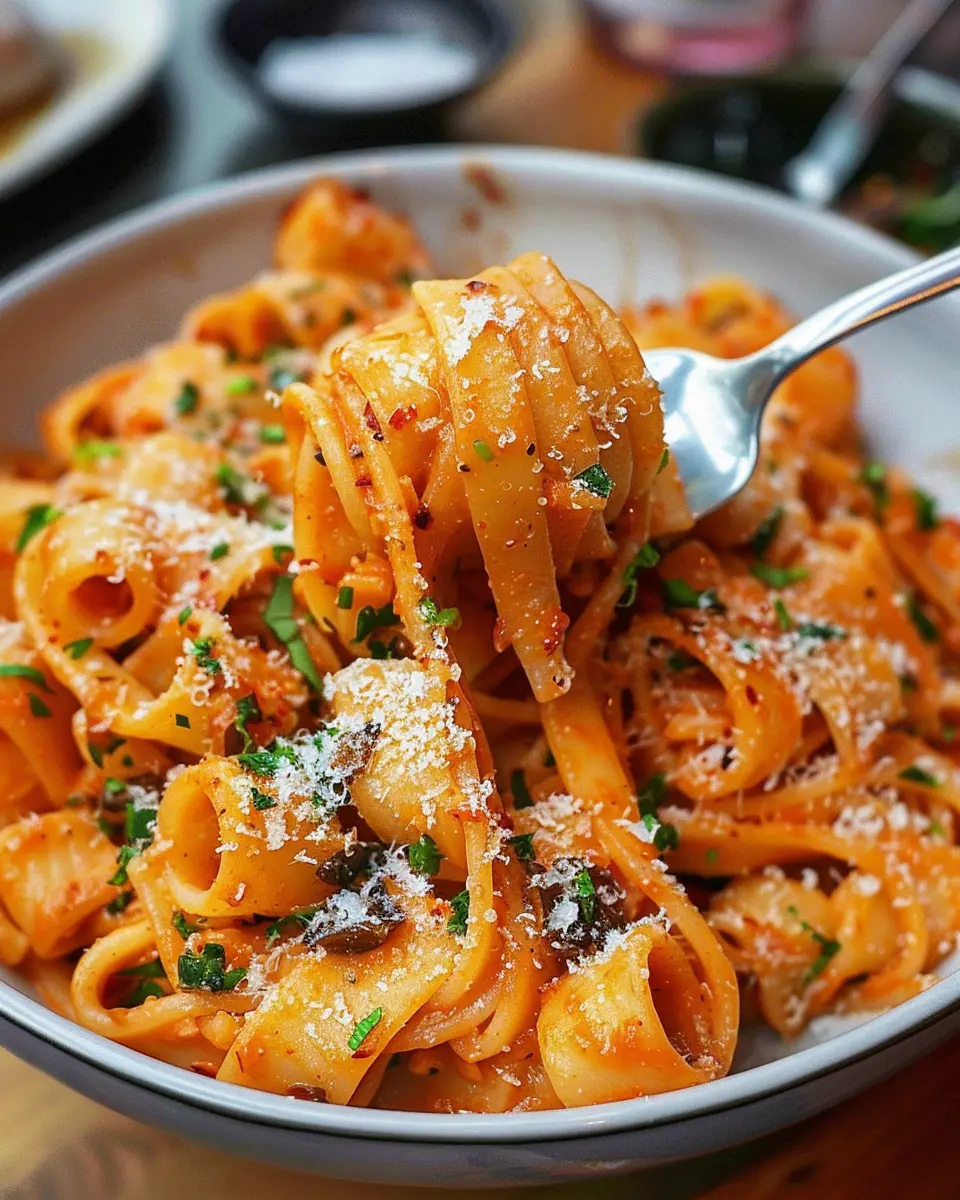
If you’re on the lookout for a culinary game-changer, look no further than gochujang. This Korean red chili paste packs a punch of flavor that can elevate ordinary pasta dishes into extraordinary meals. Many young professionals might find themselves gravitating toward quick, comfort food, and that’s where gochujang pasta shines. It adds a rich, umami flavor with a hint of spicy sweetness that can convince even the pickiest of eaters to ask for seconds.
This ingredient, made from fermented soybeans, glutinous rice, and red chili powder, is celebrated not only for its bold taste but also for its versatility. A study by the International Journal of Gastroenterology highlights that fermented foods like gochujang may have numerous health benefits, including improved gut health. Incorporating it into pasta allows you to enjoy a delicious meal while giving your health a little boost.
Imagine combining the creaminess of your favorite alfredo sauce with the delightful kick of gochujang. You can easily tweak traditional recipes, like spaghetti or fettuccine, to bring that unique blend of flavors to the forefront. You can even swap out traditional proteins: turkey bacon, chicken ham, or seasoned beef can complement the sauce beautifully.
Preparing gochujang pasta is not only about taste; it’s about creativity in the kitchen. Want to add some veggies? Toss in some sautéed kale or roasted bell peppers for added texture and nutrition. You could also experiment by adding coconut milk to create a richer sauce or even sprinkle some sesame seeds for a crunchy finish.
And here’s a quick tip: when preparing your sauce, always taste as you go! Adjusting the levels of gochujang will allow you to find that sweet spot between mild and spicy that best suits your palate.
So, if you’re seeking something fresh and exciting to try for dinner, gochujang pasta could just be the delicious twist your mealtime has been missing. Ready to spice things up? Let’s dive into the full recipe!
Ingredients for Gochujang Pasta
Essential Ingredients for a Flavor-Packed Meal
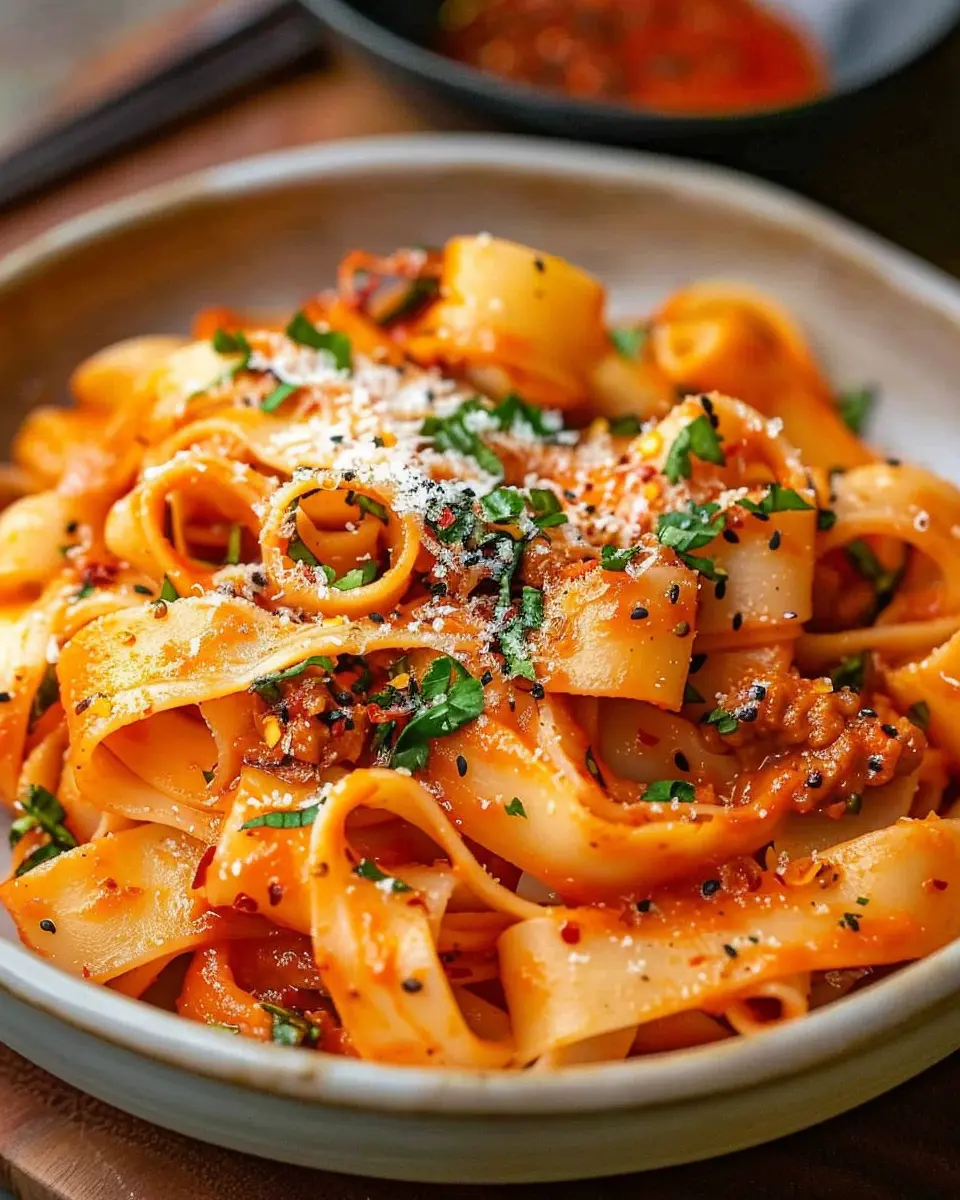
Creating a delicious gochujang pasta starts with the right ingredients. Here’s what you need for that perfect, comforting dish:
- Pasta: Spaghetti or linguine works beautifully, but feel free to use your favorite type.
- Gochujang: This spicy-sweet fermented red chili paste is the star of the show. It’s rich in flavor and adds a unique depth to the dish.
- Garlic: Fresh cloves add a punch of flavor.
- Vegetables: Think bell peppers, spinach, or zucchini to brighten up your plate and up your veggie intake.
- Turkey Bacon: For a savory crunch; it’s a lighter alternative that still brings lots of flavor.
- Chicken Ham: A great addition for extra protein; choose low-sodium options for a healthier take.
Optional Ingredients for Customization
Don’t hesitate to customize your gochujang pasta! Here are some optional ingredients to explore:
- Cheese: A sprinkle of Parmesan or Mozzarella can add creaminess.
- Protein: Consider adding beef or tofu for a heartier meal.
- Herbs: Fresh basil or cilantro can enhance freshness and flavor.
- Nuts: A handful of crushed peanuts or cashews can provide crunch and extra richness.
Feel free to explore and experiment! For more pasta ideas, you might enjoy checking out resources from Bon Appétit or Serious Eats to fuel your culinary creativity. Happy cooking!
Preparing Gochujang Pasta
If you’re craving a delicious meal with an exciting twist, gochujang pasta might just become your new go-to dish. The combination of the spicy-sweet Korean chili paste and traditional pasta creates a unique flavor that will impress your friends and family. Ready to dive in? Let’s break it down step-by-step.
Gather and Prep Your Ingredients
Before you get started, take a moment to gather everything you need. This preparation will make your cooking process smooth and enjoyable. For our gochujang pasta, you will need:
- 8 oz of pasta (spaghetti or penne works great)
- 2 tablespoons of gochujang (Korean chili paste)
- 1 tablespoon of soy sauce
- 1 teaspoon of sesame oil
- 2 cloves of garlic, minced
- 1 small onion, finely chopped
- 3-4 oz of turkey bacon or chicken ham, cut into bites
- 1 cup of vegetables (like bell peppers or broccoli)
- ¼ cup of heavy cream
- Salt and pepper to taste
- Green onions or sesame seeds for garnish
Take time to chop your vegetables and prepare your proteins—this will save you from a last-minute scramble later. If you’re unfamiliar with gochujang, you can learn a bit more about it from Serious Eats for deeper insights into its rich flavor profile and uses in cooking.
Cook the Pasta to Perfection
Now that everything is ready to go, it’s time to cook your pasta. In a large pot, bring salted water to a rolling boil. Add the pasta and cook it according to the package instructions, usually around 8–12 minutes. For the best texture, aim for al dente—tender but still with a firm bite. Once cooked, reserve about half a cup of pasta water, then drain the rest and set your pasta aside.
Sauté the Aromatics
In a large skillet, heat a drizzle of oil over medium heat. Add your chopped onions and sauté until they become translucent—this usually takes about 3–4 minutes. As the onions soften, add in the minced garlic and cook for an additional minute until fragrant. If you’re using turkey bacon or chicken ham, toss them in next and cook until they’re crispy and golden. The sizzling sounds are a symphony in the kitchen!
Create the Gochujang Sauce
Here comes the exciting part! Time to whip up your gochujang pasta sauce. In the same skillet, lower the heat slightly, and add the gochujang, soy sauce, and sesame oil. Mix well and let it cook for a minute to develop the flavors. Next, pour in your heavy cream, stirring until everything combines beautifully. If the sauce feels too thick, you can gradually add that reserved pasta water until you achieve your desired consistency. Don’t forget to taste and adjust the seasoning with salt and pepper!
Combine Pasta and Sauce for a Creamy Finish
Finally, add your cooked pasta to the skillet, ensuring it’s fully coated in that luscious gochujang sauce. Toss in your choice of colorful veggies, letting them heat through for a couple of minutes. The vibrant colors will elevate not only the taste but also the presentation of your dish.
Serve your gochujang pasta warm, garnished with sliced green onions or a sprinkle of sesame seeds for that extra touch of flavor and sophistication.
Now, wasn’t that easy? With this recipe, you can impress your friends or indulge in a deliciously spicy meal any day of the week. So why not give it a try tonight? Your taste buds will thank you!
Variations on Gochujang Pasta
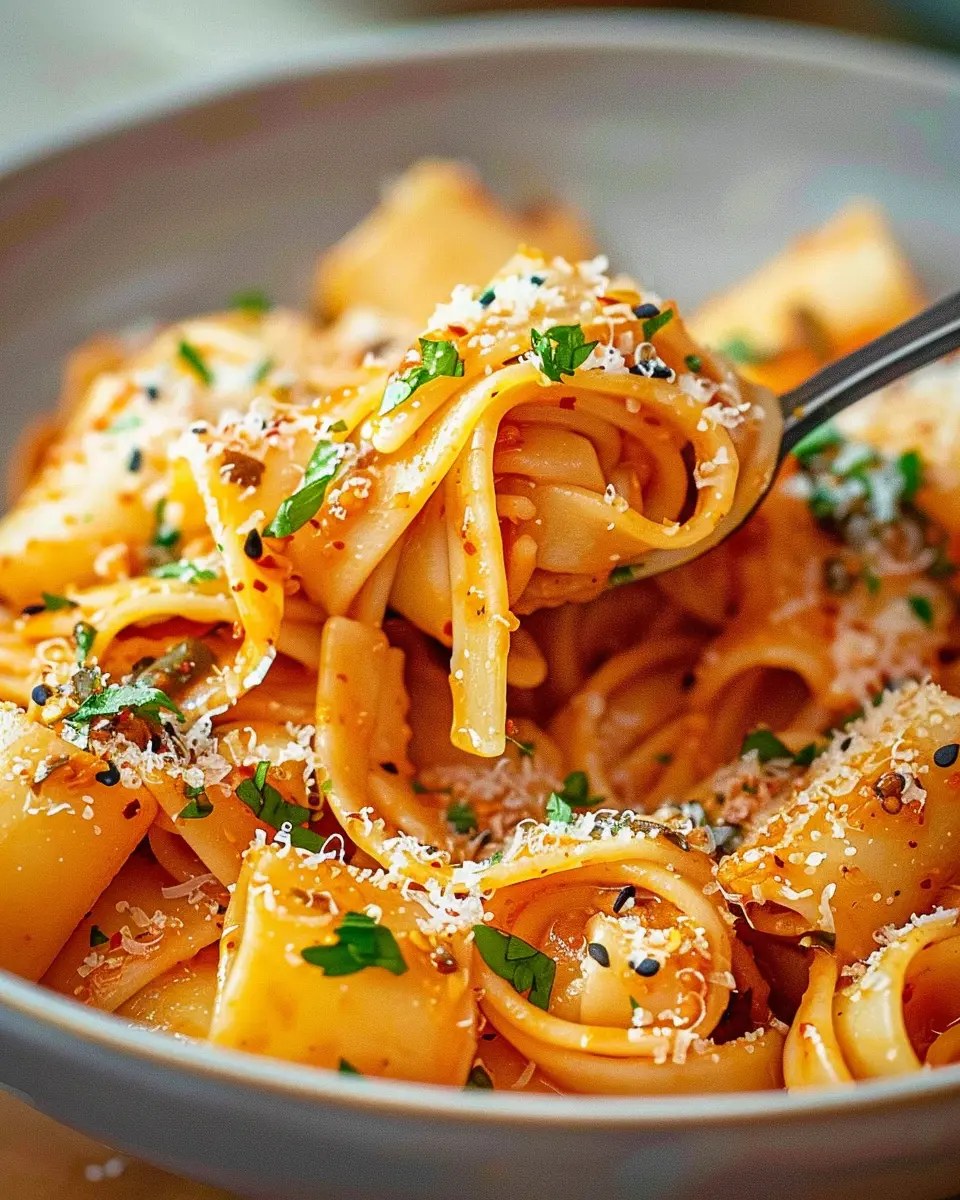
Gochujang pasta is incredibly versatile, making it easy to adapt to a range of tastes and dietary preferences. Whether you’re looking for something vegetarian or a dish with a kick of protein, there’s a version for everyone!
Vegetarian Gochujang Pasta
If you’re after a plant-based option, this vegetarian gochujang pasta is perfect for you. Here’s how to elevate it:
- Substitute Protein: Use firm tofu or tempeh in place of meat to absorb all that delicious gochujang flavor.
- Veggie Boost: Add in a variety of colorful vegetables like bell peppers, zucchini, and spinach. Not only do they enhance nutrition, but they also add wonderful texture and flavor!
- Creamy Twist: For that extra creaminess, consider stirring in a dollop of coconut cream or cashew cream right before serving. It complements the spicy gochujang beautifully.
Feel free to explore more vegetarian adaptations on platforms like Minimalist Baker to inspire your dish!
Spicy Shrimp Gochujang Pasta
If you’re in the mood for a protein-packed kick, try spicy shrimp gochujang pasta. Here’s a quick guide to making it sensational:
- Sauté Shrimp: Begin by sautéing shrimp in olive oil, garlic, and a pinch of salt until they turn pink. This step really enhances the flavor!
- Balance Heat: If you love heat, toss in some red pepper flakes along with your gochujang. But don’t forget—taste as you go to avoid overpowering the dish!
- Finishing Touch: Top with fresh cilantro or green onions for a burst of freshness just before serving.
With these variations, you can enjoy gochujang pasta no matter your dietary needs. Which version will you try first? The possibilities are as endless as your creativity in the kitchen!
Cooking Tips and Notes for Gochujang Pasta
Choosing the Right Pasta
When making gochujang pasta, start with your favorite pasta shape. While spaghetti and fettuccine are classics, consider trying penne or rigatoni for a fun texture. The ridges of these shapes will capture more of the delicious sauce, enhancing every bite. Plus, whole grain or gluten-free options work well if you’re looking to accommodate dietary preferences. It’s all about what you enjoy!
Adjusting Spice Levels to Your Taste
Gochujang can be spicy, so don’t hesitate to adjust it according to your palate. Begin with a tablespoon and gradually add more as you taste-test. If you crave some sweetness to balance those flavors, a drizzle of honey or a splash of soy sauce can do wonders. Remember, you can always add more spice, but it’s tough to take it away once it’s in there!
If you want to delve deeper into the nuances of Korean cooking, check out Serious Eats for a fantastic overview. Cooking is all about experimenting, so have fun with your gochujang pasta and enjoy the process!
Serving Suggestions for Gochujang Pasta
Fresh Garnishes for Presentation
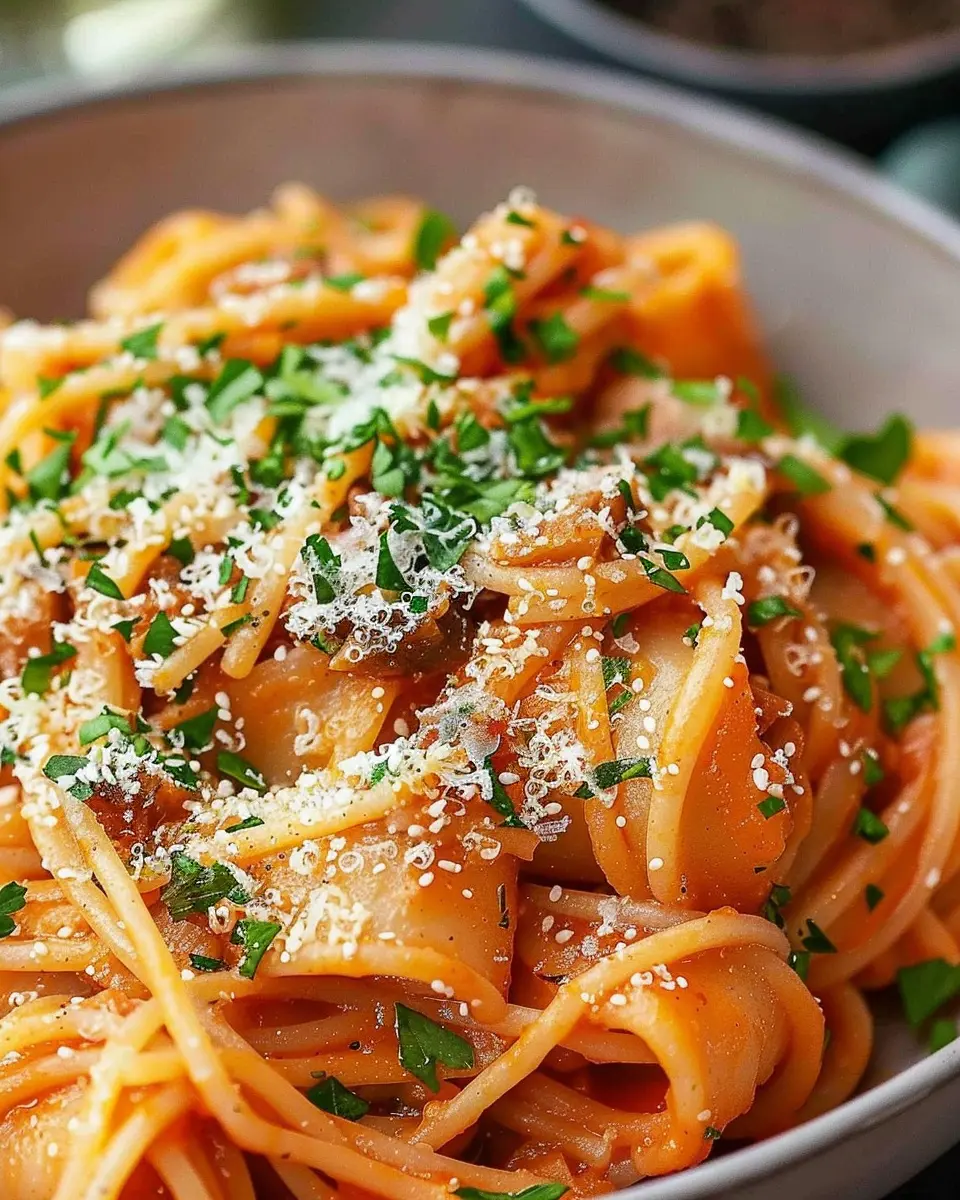
Making your gochujang pasta visually appealing can elevate your dining experience. Consider garnishing with:
- Chopped Green Onions: These add a pop of color and a mild onion flavor, which beautifully complements the spicy richness of gochujang.
- Sesame Seeds: Lightly toasted, these seeds provide a crunchy texture and nutty taste, transforming even a simple plate into a culinary masterpiece.
- Fresh Cilantro or Parsley: A sprinkle of fresh herbs can brighten the dish and introduce a refreshing aromatic note.
These garnishes not only enhance the dish’s presentation but also contribute layers of flavor.
Pairing with Side Dishes
To balance the heat of gochujang pasta, consider serving it with some complementary side dishes. Here are a few ideas:
- Asian Slaw: A crunchy slaw with cabbage, carrots, and a tangy sesame dressing can provide a refreshing contrast.
- Grilled Chicken: A light, lean protein like grilled chicken ham can add substance and richness.
- Vegetable Stir-Fry: Quickly sautéed seasonal veggies can add color and health benefits, making your meal both delicious and nutritious.
Whether you’re hosting a dinner party or just enjoying a cozy night in, these suggestions will create a delightful and memorable meal. For other side options, check out this guide on Healthy Korean Side Dishes.
Time Breakdown for Gochujang Pasta
Preparation Time
Getting ready to whip up your delicious gochujang pasta takes about 10-15 minutes. This includes measuring out your ingredients, chopping veggies, and preparing your proteins like Turkey Bacon or Chicken Ham. A great tip? Having everything prepped in advance speeds up cooking and keeps things stress-free!
Cooking Time
The actual cooking takes around 15-20 minutes. This is where the magic happens—sautéing, simmering, and blending those fantastic flavors of gochujang with your pasta. You’ll be amazed at how quickly this dish comes together!
Total Time
In total, you’re looking at about 30-35 minutes from start to finish. Perfect for those weeknights when you want a hearty, flavorful meal without spending hours in the kitchen. Plus, with the time saved, you can enjoy your plate even more!
For helpful tips on enhancing your gochujang experience, check out sources like Serious Eats or Food52 for additional tricks and inspirations!
Nutritional Facts for Gochujang Pasta
When whipping up a delicious bowl of gochujang pasta, you might be wondering just what you’re putting on the table in terms of nutrition. Let’s break it down:
Calories
A serving of gochujang pasta typically contains around 400-500 calories, depending on the specific ingredients you choose. It’s a hearty dish that can be quite filling.
Protein and Carbohydrates
In a standard serving, you can expect about 15-20 grams of protein, mainly from the turkey bacon or chicken ham. The carbohydrate content ranges from 60 to 70 grams, primarily from the pasta itself, providing you with energy to power through your day.
Health Benefits of Key Ingredients
The star ingredient, gochujang, isn’t just flavorful; it’s also packed with antioxidants and can boost your metabolism (check out more from sources like Healthline). Other components, like vegetables, add fiber, vitamins, and minerals. Plus, turkey bacon offers a leaner protein alternative compared to traditional bacon, making your meal both tasty and nutritious.
So, next time you indulge in this dish, you can savor its delicious flavor while feeling good about what you’re eating!
FAQs about Gochujang Pasta
What is Gochujang, and where can I find it?
Gochujang is a Korean red chili paste made from chili powder, glutinous rice, fermented soybeans, and salt. This unique condiment adds a delightful umami flavor with a hint of sweetness and spice to dishes, including our delicious gochujang pasta. You can typically find gochujang in the Asian foods aisle of your grocery store or at specialty Asian markets. If you’re shopping online, check out trusted retailers like Amazon or specialty sites like H-Mart for a wide selection.
How can I make Gochujang Pasta less spicy?
If you’re not a fan of spiciness, don’t worry! You can easily adjust the heat level in your gochujang pasta by reducing the amount of gochujang you use in the recipe. Start with a smaller tablespoon and gradually increase it to your taste. You can also mix in some creamy elements like coconut milk or a dollop of sour cream to mellow the heat. Adding vegetables or proteins like chicken ham or turkey bacon can also help balance the flavors.
Can I store leftovers, and if so, how?
Absolutely! Leftovers from your gochujang pasta can be stored in an airtight container in the refrigerator for up to three days. When you’re ready to enjoy another serving, simply reheat it on the stove or in the microwave, adding a splash of water or broth to maintain its creaminess. The flavors will continue to deepen overnight, making your next meal even more delicious! For more on food storage, check out the USDA’s guidelines on proper food handling.
Enjoy your cooking adventure! If you have any other questions or tips about gochujang pasta, feel free to drop us a comment. Happy cooking!
Conclusion on Gochujang Pasta
Embracing Homemade Dishes with Gochujang Flavors
As we wrap up our journey into the world of gochujang pasta, it’s clear this dish not only satisfies cravings but also opens your kitchen to vibrant, homemade flavors. Incorporating gochujang brings that unique umami kick, enriching any meal. Imagine whipping up this delectable dish after a long day at work—simple yet rewarding!
Cooking at home with ingredients you love can transform your weekly routine. Experimenting with dishes like gochujang pasta not only diversifies your skills but also allows you to customize flavors to your taste. So, step into your kitchen, create that magic, and don’t forget to share your experience! If you’re looking for more inspiration, check out Serious Eats for ideas and tips!
PrintGochujang Pasta: Easy Recipe with Turkey Bacon and a Kick
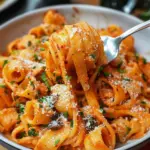
An easy and flavorful gochujang pasta recipe that’s sure to satisfy your cravings.
- Prep Time: 10 minutes
- Cook Time: 15 minutes
- Total Time: 25 minutes
- Yield: 2 servings
- Category: Pasta
- Method: Stovetop
- Cuisine: Korean
- Diet: Low-carb
Ingredients
- 8 ounces spaghetti
- 4 slices turkey bacon
- 2 tablespoons gochujang
- 1 tablespoon soy sauce
- 2 cloves garlic, minced
- 2 tablespoons olive oil
- 1 green onion, sliced
- 1 tablespoon sesame seeds
Instructions
- Cook spaghetti according to package instructions.
- While spaghetti is cooking, heat olive oil in a pan over medium heat.
- Add turkey bacon and cook until crispy, then add garlic and cook for an additional minute.
- Stir in gochujang and soy sauce.
- Drain spaghetti and add it to the pan, tossing everything together.
- Garnish with green onion and sesame seeds before serving.
Notes
- For a vegetarian option, substitute turkey bacon with tempeh bacon.
- Add vegetables like spinach or bell peppers for more nutrition.
Nutrition
- Serving Size: 1 plate
- Calories: 400
- Sugar: 2 grams
- Sodium: 800 mg
- Fat: 20 grams
- Saturated Fat: 3 grams
- Unsaturated Fat: 15 grams
- Trans Fat: 0 grams
- Carbohydrates: 45 grams
- Fiber: 3 grams
- Protein: 25 grams
- Cholesterol: 10 mg