




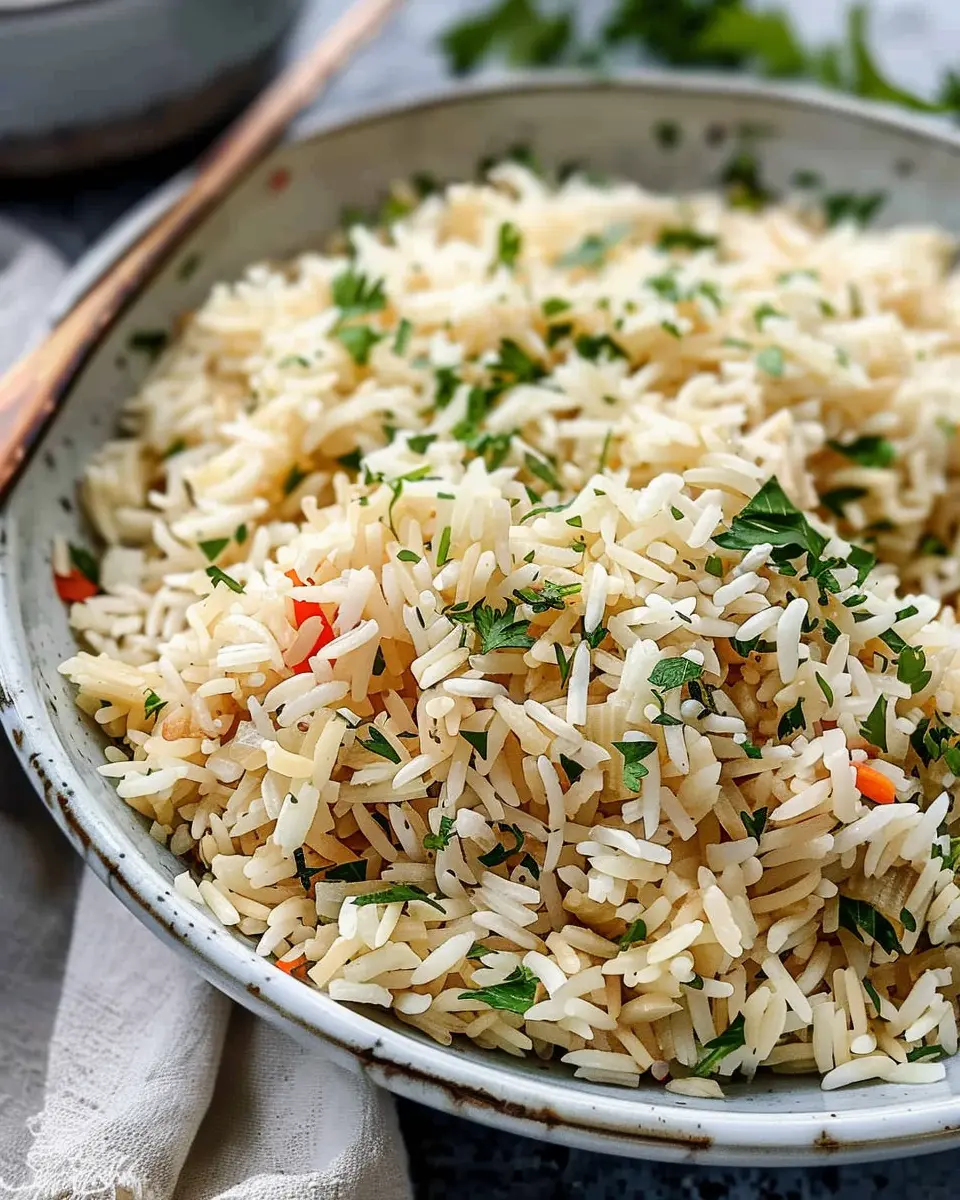
Introduction to Rice Pilaf
When it comes to versatile, homemade meals, few dishes can rival rice pilaf. This delightful and aromatic dish has roots in various cultures, offering a comforting and satisfying experience for both the novice cook and seasoned chef. So, what makes rice pilaf the perfect meal for busy young professionals? Let’s dive into it.
Why Rice Pilaf is the Perfect Homemade Meal?
First off, rice pilaf is incredibly easy to make. With just a handful of ingredients, it transforms into a flavorful base or side dish that pairs well with nearly anything. You can whip it up in under 30 minutes, making it an excellent choice for weeknight dinners. Consider preparing it alongside some grilled chicken or a crisp salad for a complete meal.
Not only is it quick, but rice pilaf is also highly adaptable. You can customize it to your taste—toss in roasted vegetables, herbs, or spices to suit your palate. For instance, if you’re craving something a little richer, consider adding turkey bacon or chicken ham. This flexibility makes rice pilaf an ideal option for those of us who want to avoid the monotony of dinner.
Moreover, rice pilaf is often regarded as a nutritious choice. Whole grains like brown rice provide essential nutrients, including fiber, which can help support digestive health. According to the Whole Grains Council, integrating whole grains into your diet can be beneficial for heart health. Pairing your pilaf with protein-rich options can further enhance its nutritional profile, making it not just tasty, but also wholesome.
Let’s not forget about its presentation. A dish of rice pilaf, gleaming with spices and colorful veggies, can impress at any gathering. Whether you’re having friends over for a casual dinner party or simply treating yourself, serving rice pilaf elevates the meal.
In summary, the rich flavors, ease of preparation, and adaptability of rice pilaf make it a standout choice for anyone looking for a satisfying homemade dish. So why not gather your ingredients and give it a try? You’ll soon see why this comforting meal is beloved by many!
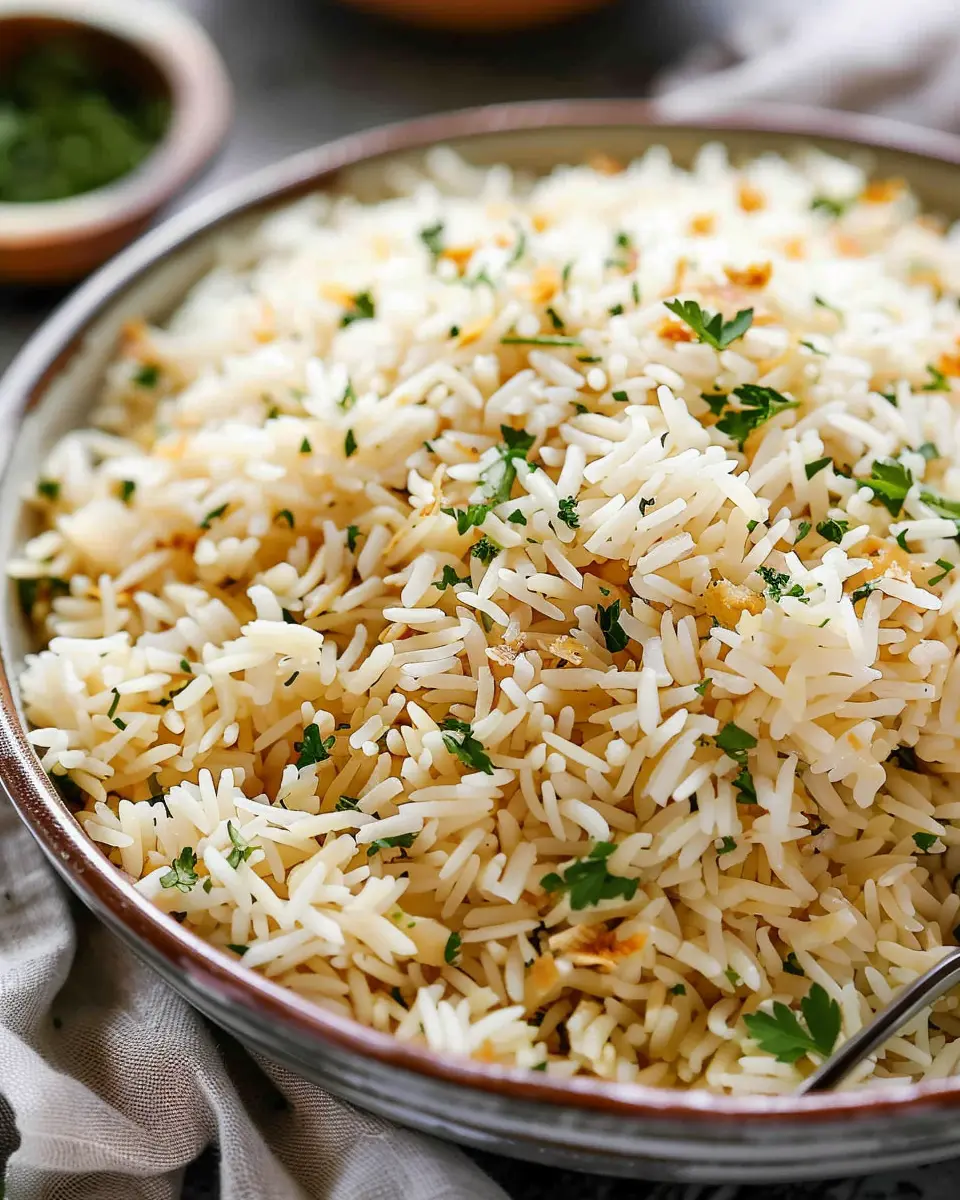
Ingredients for Rice Pilaf
Creating a delightful rice pilaf is easier than you might think! To start, let’s gather the essential ingredients that will transform plain rice into a comforting side dish. Here’s what you’ll need:
- Rice: Use long-grain varieties like basmati or jasmine for that perfect fluffy texture. About 1 cup should suffice.
- Broth: For richer flavor, opt for chicken or vegetable broth instead of plain water. You’ll need around 2 cups.
- Onion: A finely chopped medium onion brings that depth of flavor. Sautéing the onion is key.
- Garlic: Two cloves of minced garlic add just the right kick—don’t skip this!
- Turkey Bacon or Chicken Ham: These alternatives offer a smoky flavor without the heft of pork. Dice them into small pieces.
- Herbs and Spices: Incorporate bay leaves, thyme, salt, and pepper for seasoning. Fresh herbs can elevate the dish even further.
Feel free to get creative! Adding veggies like bell peppers or peas can make your rice pilaf even tastier. For more tips, check out this guide on rice and you’ll be a pro in no time!
Step-by-step Preparation of Rice Pilaf
Cooking rice pilaf at home can be a delightful experience, and with the right steps, it’s surprisingly easy to achieve a dish that impresses. Let’s dive into the simple, yet rewarding, process of making rice pilaf from scratch.
Rinse the Rice
To start, you want to ensure your rice is as fluffy and clean as possible. Rinsing the rice removes excess starch, preventing the grains from becoming gummy. Here’s how to do it:
- Measure out about 1 cup of long-grain rice (like basmati or jasmine) to serve about 4 people.
- Place the rice in a fine mesh strainer or bowl.
- Rinse it under cold running water until the water runs clear. This usually takes a couple of minutes.
- After rinsing, let it drain well. This will give you the best texture in your final dish.
Did you know? Rinsing rice is a common practice in many cultures, particularly in Asian cuisine. It’s a small but impactful step that can elevate your culinary game.
Sauté the Aromatics
Next up, let’s get those flavors dancing! Sautéing aromatics is the heart of a good rice pilaf. You can use a variety of ingredients here, but a classic combination includes onions and garlic.
- In a medium saucepan, heat 2 tablespoons of olive oil or butter over medium heat.
- Once hot, add 1 small finely chopped onion and sauté until it’s soft and translucent—about 3-5 minutes.
- Add 2 cloves of minced garlic and sauté for another minute, until fragrant. Make sure not to burn the garlic; that bitterness isn’t the flavor profile we’re aiming for!
For an added twist, feel free to incorporate spices like cumin, turmeric, or even a pinch of saffron for a luxurious touch. This aromatic foundation sets the stage for an irresistible rice pilaf.
Cook the Rice to Perfection
Now, let’s talk about bringing the rice and flavors together. This step will help the rice absorb all those wonderful tastes.
- Add the drained rice to the saucepan and stir it gently to coat the grains with the oil and sautéed ingredients.
- Pour in 2 cups of broth (chicken or vegetable broth works best), and bring it to a boil. For those looking for a heartier option, you may consider chicken ham or turkey bacon bits for added protein.
- Once boiling, reduce the heat to low and cover the saucepan. Let it simmer for about 15-20 minutes, or until the liquid is fully absorbed.
Pro tip: Avoid lifting the lid during cooking to let the steam do its magic on the rice. If you’re curious, you can check the cooking time on the rice package for extra guidance.
Let it Rest
After the cooking time, resist the urge to dig in immediately! Letting the rice rest is crucial for achieving the best texture.
- Remove the saucepan from heat and leave it covered for another 5 minutes. This resting period allows excess moisture to evaporate, leaving you with perfectly fluffy grains.
- During this time, you can also taste your pilaf and adjust seasoning if necessary. A little salt or fresh herbs can elevate the dish even further!
Fluff and Serve
Finally, the moment you’ve been waiting for! It’s time to unveil the deliciousness.
- Remove the lid and use a fork to fluff the rice gently. This will separate the grains beautifully and keep it light.
- Transfer to a serving dish, and if you’re feeling fancy, garnish with some fresh herbs like parsley or dill.
Serve your delightful rice pilaf alongside your favorite protein or as a standalone dish, and watch it disappear from the table faster than you can say “delicious!”
With this simple step-by-step guide, you’re well on your way to mastering the art of rice pilaf. Why not take this opportunity to experiment with different ingredients? The possibilities are endless! If you’re looking for even more inspiration, check out this fantastic resource on basic rice cooking methods on Serious Eats. Happy cooking!
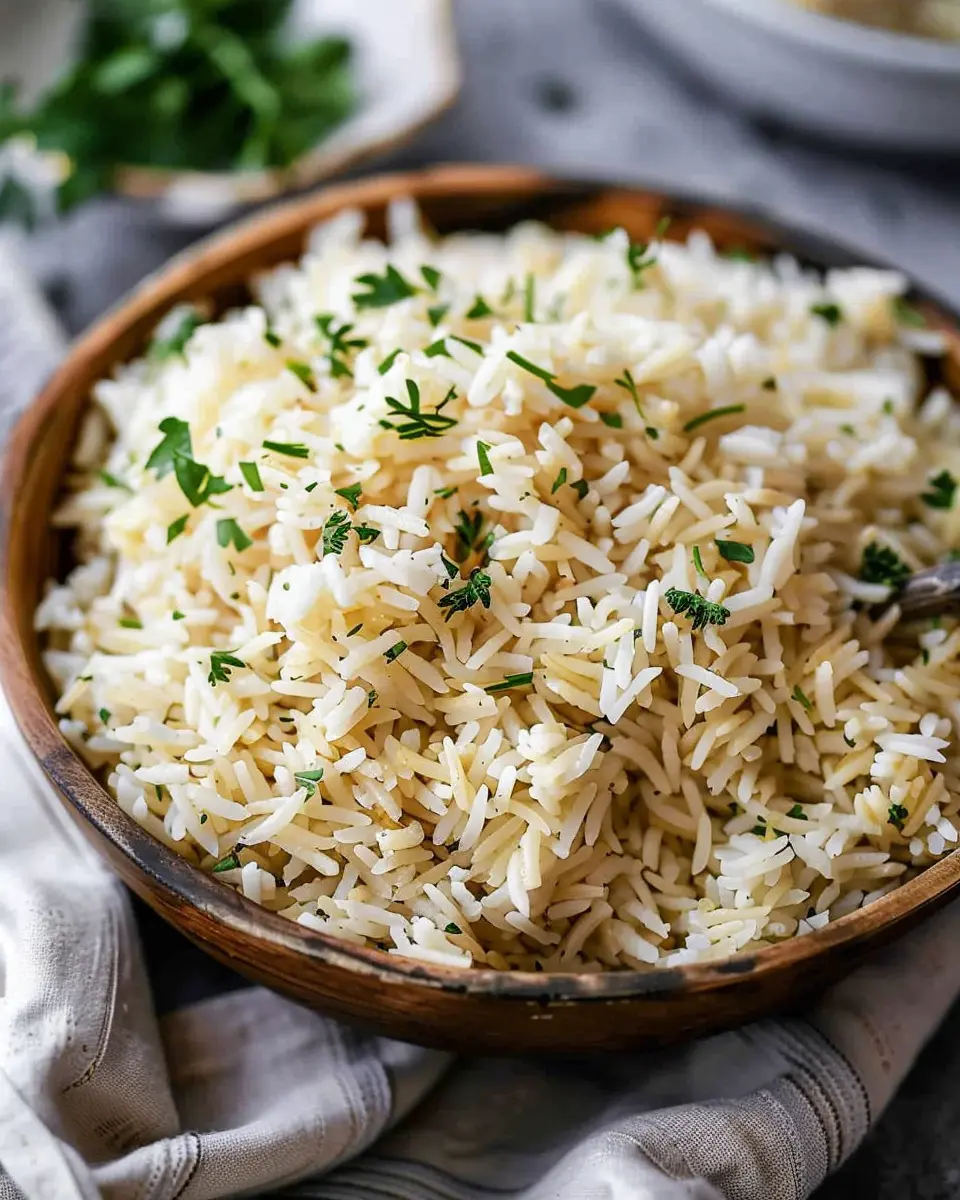
Variations on Rice Pilaf
Rice pilaf is a versatile dish that can be transformed to suit any cuisine or occasion. Let’s explore a couple of delightful variations that will elevate your cooking game and impress your friends and family!
Mediterranean Rice Pilaf
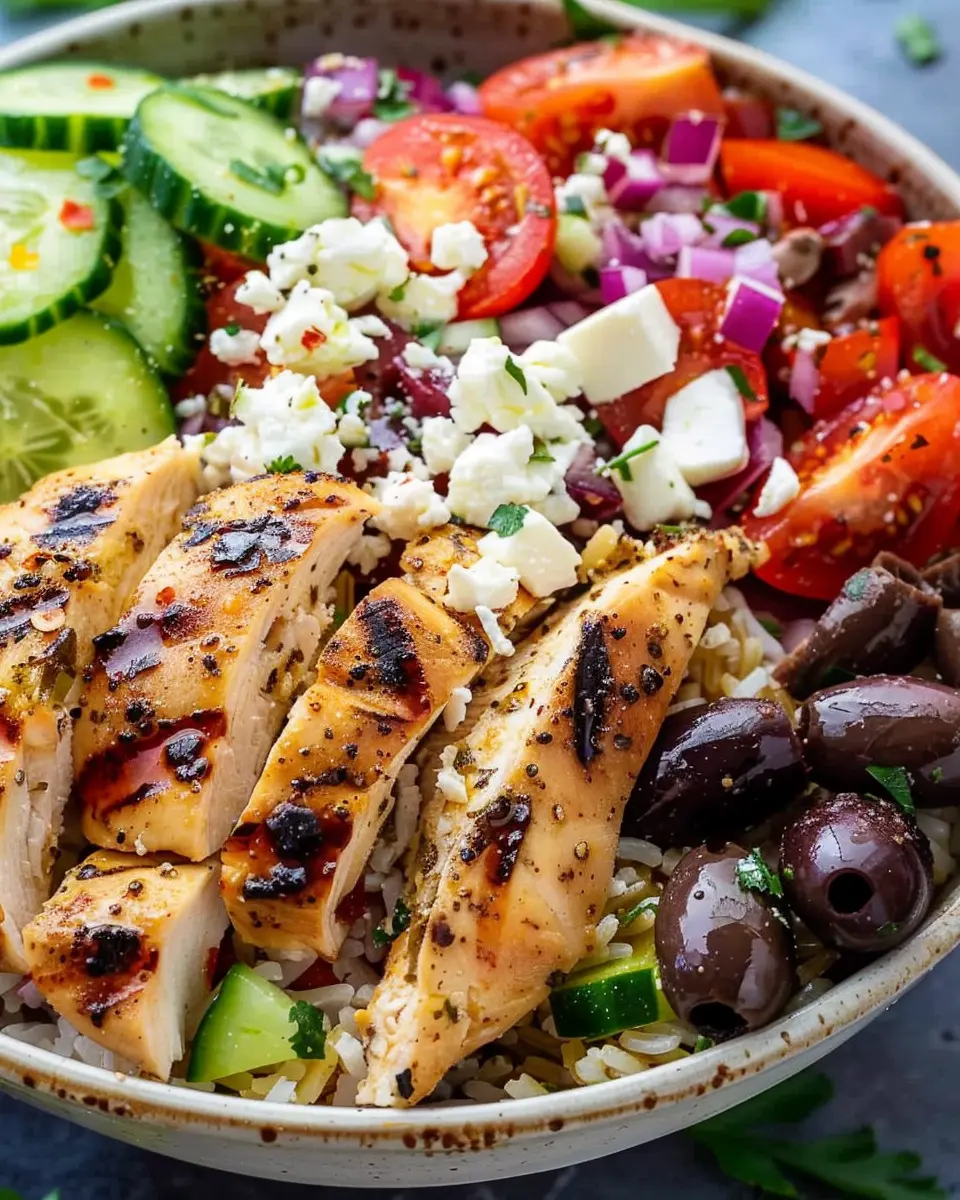
Imagine a sunny Mediterranean day as you indulge in this flavor-packed twist on traditional rice pilaf. To create the perfect Mediterranean rice pilaf, consider adding:
- Olive oil: Start with a drizzle to enhance the nutty flavor of the rice.
- Chopped vegetables: Bell peppers, zucchini, and tomatoes work wonders.
- Protein addition: Add diced chicken ham or turkey bacon for that savory depth.
- Herbs: Fresh parsley, dill, or oregano will brighten the dish and give it a fresh finish.
Don’t forget a squeeze of lemon juice to tie all these flavors together. For more inspiration, check out authentic Mediterranean recipes on Mediterranean Vegetables.
Spicy Asian Rice Pilaf
If you’re looking to spice things up, this variation is for you! An Asian-inspired rice pilaf can infuse your meal with exciting flavors and heat. You might want to include:
- Sesame oil: Use this instead of olive oil for a rich, nutty essence.
- Chilies: Fresh or dried, they can elevate the heat profile.
- Vegetable medley: Bell peppers, green beans, and bok choy offer wonderful texture.
- Protein power: Stir in some chicken ham and add tofu for extra protein.
Finish with a splash of soy sauce and some green onions for that classic umami kick. For a more in-depth look at the ingredients and methods, explore resources from Asian Kitchen.
Whether you’re aiming for Mediterranean comfort or a spicy Asian twist, these rice pilaf variations offer wonderful flavors that cater to your taste buds. Enjoy experimenting!
Cooking Tips and Notes for Rice Pilaf
When preparing a delicious rice pilaf, a few thoughtful tips can elevate your dish to new heights. First, opt for long-grain rice—like Basmati or Jasmine—for a fluffy, well-separated texture. Rinse the rice before cooking to wash away excess starch, ensuring a light final product.
Consider enhancing the flavor by toasting the rice in a bit of olive oil or butter before adding your cooking liquid. This brings out a lovely nutty taste that complements the dish beautifully. If you’re using turkey bacon or chicken ham, add them early in the cooking process to allow their flavors to meld with the rice.
Feeling adventurous? Throw in a handful of your favorite nuts or dried fruits for added texture and a hint of sweetness. As for the liquid, a good-quality chicken or vegetable broth can make a world of difference.
For more insights on complementing flavors and ingredients, check out this guide on rice dishes. Happy cooking!
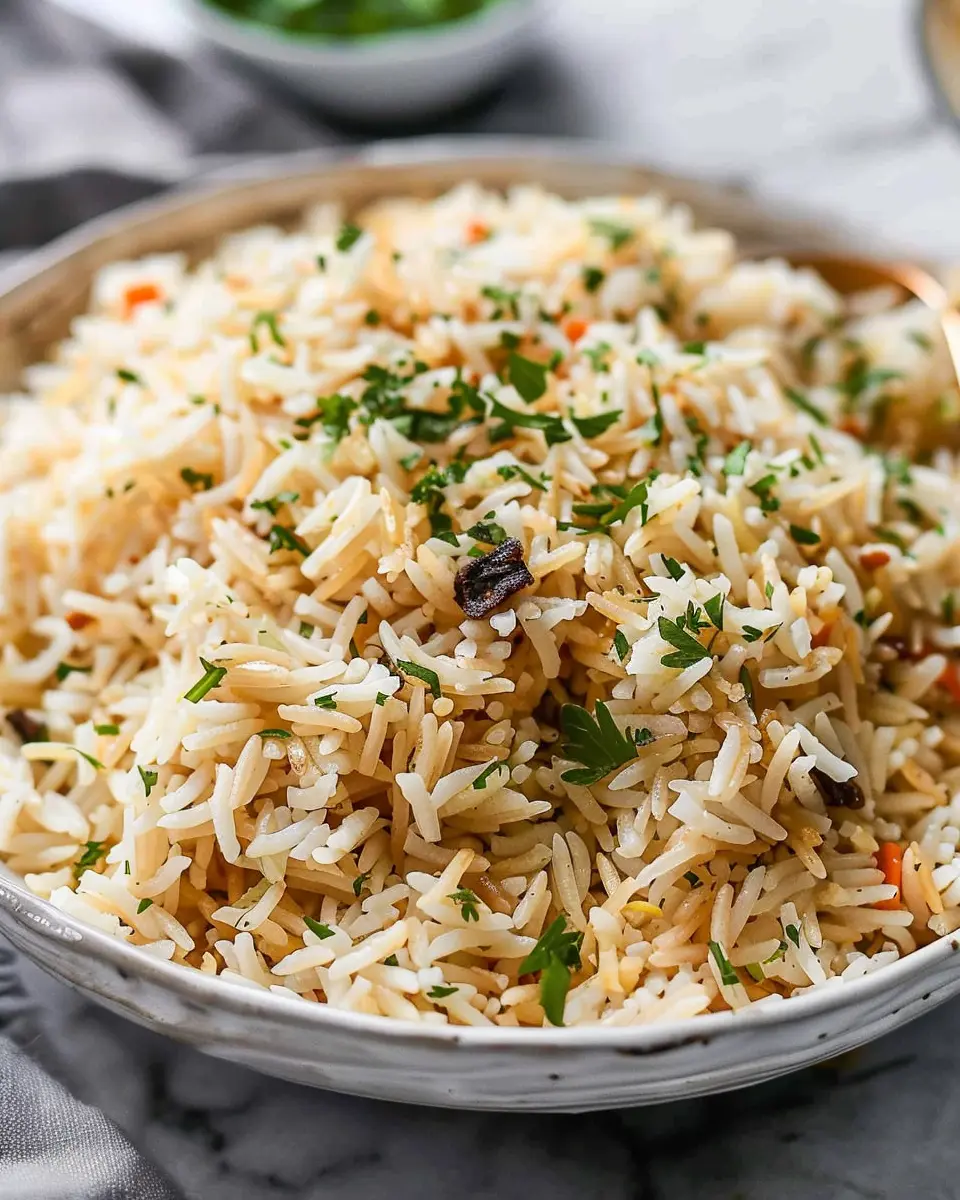
Serving Suggestions for Rice Pilaf
When it comes to serving rice pilaf, the possibilities are endless! This flavorful dish can beautifully complement a wide range of main courses and can also shine as a standalone meal.
Pair with Protein
- Turkey Bacon: For a savory crunch, try crispy turkey bacon. It adds a delightful texture and enhances the dish’s robust flavors.
- Chicken Ham: This mild alternative offers a hint of sweetness that pairs perfectly with the spices in rice pilaf.
- Beef Stir-Fry: Mix things up with some tender beef. A stir-fry with your favorite veggies can turn your pilaf into a heartier meal.
Lighten It Up
Add some steamed vegetables like broccoli, carrots, or snap peas for a vibrant, nutritious touch. For a twist, serve it alongside a refreshing cucumber-yogurt salad.
Elevate with Herbs
Garnishing your pilaf with freshly chopped herbs such as parsley or cilantro can enhance its appeal and freshness.
Revamp Leftovers
Got some rice pilaf left? Use it in a wrap with grilled veggies or make a satisfying pilaf salad by adding some beans and dressing.
Incorporating these suggestions can transform your typical rice pilaf into an extraordinary culinary experience. The balance of flavors and textures will impress any guest, or even just elevate a simple weeknight meal. For more preparation tips, check out resources from The Kitchn or Serious Eats.
Time Breakdown for Rice Pilaf
When you’re ready to whip up a delightful dish of rice pilaf, it’s important to know how to best allocate your time. Here’s a quick breakdown to keep you on track.
Preparation Time
Getting everything prepped is half the battle. For rice pilaf, set aside about 10 to 15 minutes. This time includes chopping onions, measuring out spices, and rinsing your rice. Having your ingredients ready will make the cooking process smoother and more enjoyable.
Cooking Time
The cooking part won’t take long—it’s typically around 20 to 25 minutes. Whether you’re letting the flavors simmer or toasting the rice, keep an eye on the pot to ensure everything blends perfectly!
Total Time
In total, you should expect to spend roughly 30 to 40 minutes from start to finish. That’s not too bad for a dish that’s both impressive and satisfying, right?
For more insights on meal prep and cooking methods, you can check out resources like Food Network or BBC Good Food. Happy cooking!
Nutritional Facts for Rice Pilaf
When you’re whipping up a comforting dish like rice pilaf, it’s good to know what you’re serving nutritionally. Here’s a quick breakdown of its nutritional benefits.
Calories
One serving of rice pilaf typically contains around 200-250 calories. This makes it a fantastic option for a filling side that won’t weigh you down. If you’re watching your calorie intake, portion control can be key!
Protein
Rice pilaf is a decent source of protein, especially when enriched with ingredients like Turkey Bacon or Chicken Ham. On average, you can expect about 5 grams of protein per serving, which contributes to muscle repair and overall health.
Sodium
Sodium levels can vary in rice pilaf depending on your broth choice and added seasonings. Generally, you might find between 150-400 mg per serving. To keep sodium in check, opt for low-sodium broth and limit added salt.
Looking for more details on healthy grains? Check out Healthline’s article on whole grains for extra information. With rice pilaf, you can enjoy a delicious meal while maintaining a balanced diet!
FAQs about Rice Pilaf
Can I use brown rice instead of white?
Absolutely! Using brown rice in your rice pilaf is a wholesome alternative that adds nutty flavor and extra nutrients. Just keep in mind that brown rice will take longer to cook. You’ll need to adjust the liquid and cooking time accordingly — typically, about 1.5 to 2 cups of water for every cup of brown rice, and cook for approximately 40 to 50 minutes. If you’re looking for more guidance on cooking brown rice, the USDA has great resources to help.
How can I add protein to my rice pilaf?
Becoming a protein pro in your rice pilaf can be both fun and delicious. Here are some easy ways to elevate your dish:
- Turkey Bacon: Crisping up diced turkey bacon adds a smoky flavor.
- Chicken Ham: Adding diced chicken ham gives a savory touch.
- Tofu or Tempeh: For a plant-based option, try sautéed tofu or tempeh.
- Shrimp: Stirring in shrimp during the last few minutes of cooking is a crowd-pleaser.
Feel free to experiment with different proteins based on your diet and preferences!
What are some common mistakes when making rice pilaf?
Mistakes are part of the cooking journey, but here are a few tips to avoid common pitfalls when preparing your rice pilaf:
- Rinsing Rice: Not rinsing your rice can lead to overly sticky pilaf. A quick rinse under cold water can help remove excess starch.
- Temperature Fluctuations: Avoid lifting the lid during cooking, as this can cause temperature changes and uneven cooking.
- Too Much Liquid: Using too much liquid makes for mushy rice. Generally, a 1:2 ratio for white rice works well.
By staying mindful of these potential missteps, your rice pilaf will be flavorful and fluffy! For more cooking tips, check out resources like Bon Appétit.
Conclusion on Rice Pilaf
In summary, rice pilaf is a delightful dish that seamlessly combines simplicity with flavor, making it a perfect side for any meal. Whether you’re preparing a cozy dinner at home or impressing friends at a gathering, this versatile recipe can be easily customized. Feel free to experiment with your choice of proteins, like Turkey Bacon or Chicken Ham, and toss in seasonal vegetables for added nutrition.
Understanding the fundamentals of cooking rice perfectly—like using a good broth for enhanced flavor—will elevate your dish. For those desiring something quick during the workweek, consider making a big batch and enjoying leftovers. Embrace the joy of cooking with rice pilaf and let it become a staple in your culinary repertoire. For more insights, check out this helpful resource for expert tips and variations.
PrintRice Pilaf: Easy and Flavorful Turkey Bacon Delight for All Chef
A delicious and easy recipe for Rice Pilaf featuring turkey bacon that is perfect for all chefs.
- Prep Time: 10 minutes
- Cook Time: 20 minutes
- Total Time: 30 minutes
- Yield: 4 servings
- Category: Side Dish
- Method: Stovetop
- Cuisine: American
- Diet: Gluten-Free
Ingredients
- 1 cup rice
- 4 slices turkey bacon
- 1 tablespoon olive oil
- 2 cups chicken broth
- 1 onion, chopped
- 2 cloves garlic, minced
- 1 teaspoon salt
- 1/2 teaspoon black pepper
- 1 tablespoon fresh parsley, chopped
Instructions
- In a large skillet, cook the turkey bacon over medium heat until crispy. Remove and chop into pieces.
- Add olive oil, chopped onion, and garlic to the skillet. Sauté until the onion is translucent.
- Add the rice and stir to coat with oil.
- Pour in chicken broth, add salt, and pepper, and bring to a boil.
- Reduce heat, cover, and simmer for about 15-20 minutes until rice is tender.
- Stir in the bacon and parsley before serving.
Notes
- For extra flavor, consider adding vegetables like peas or carrots.
Nutrition
- Serving Size: 1 cup
- Calories: 250
- Sugar: 1g
- Sodium: 450mg
- Fat: 10g
- Saturated Fat: 3g
- Unsaturated Fat: 5g
- Trans Fat: 0g
- Carbohydrates: 34g
- Fiber: 1g
- Protein: 8g
- Cholesterol: 15mg